Japan Tour: Journey to Tokyo, Kyoto, and Mount Fuji

- Round-trip Turkish Airlines Air Ticket Included
- Japan Tour with a guaranteed departure for a minimum of 5 people
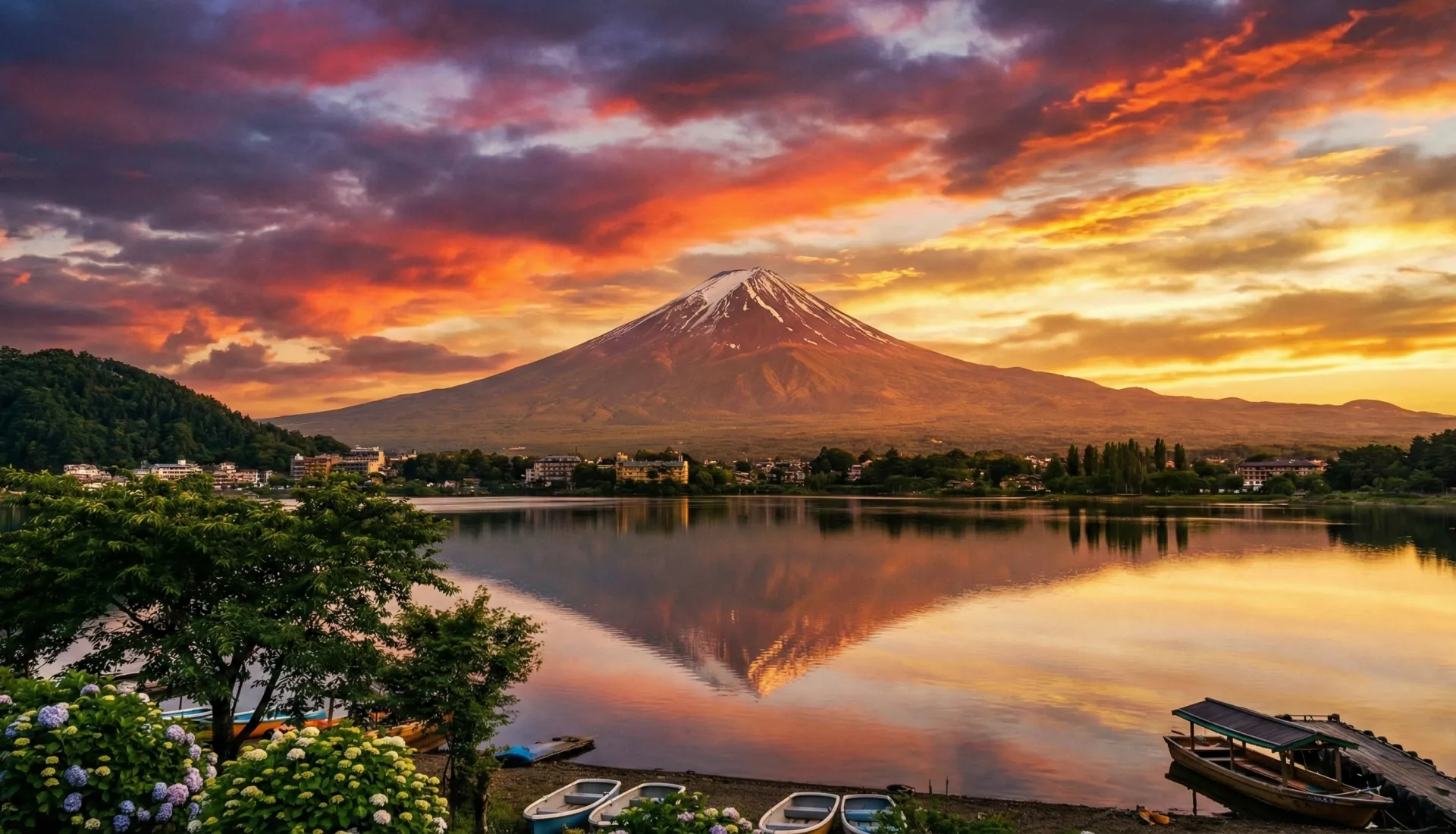
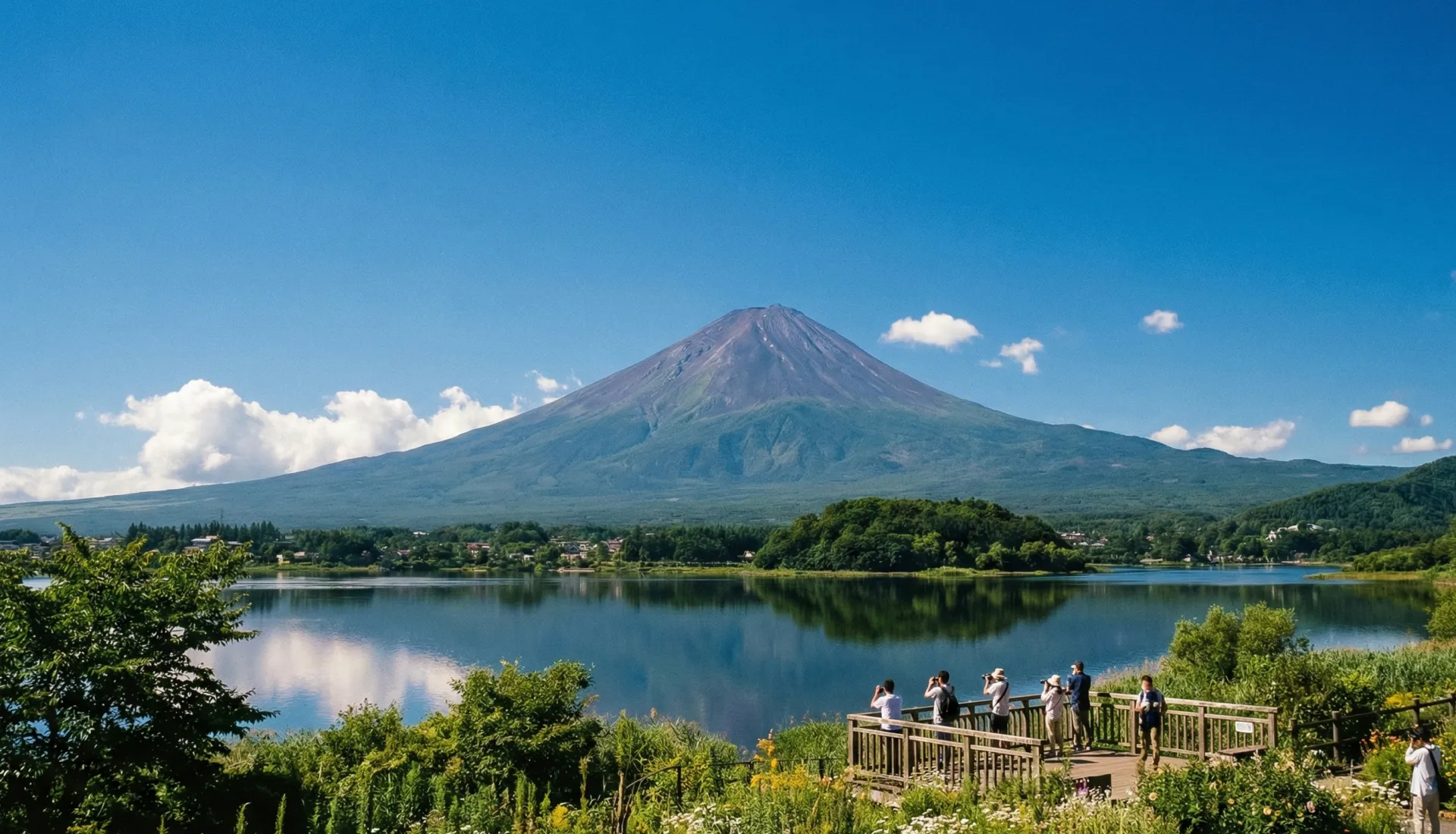
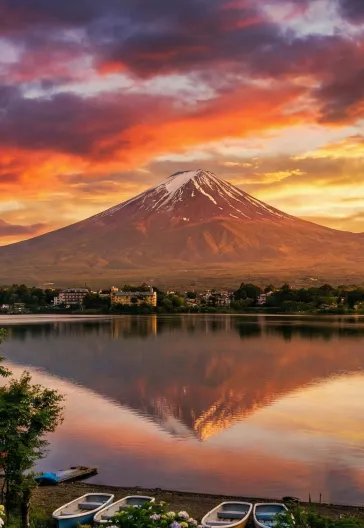
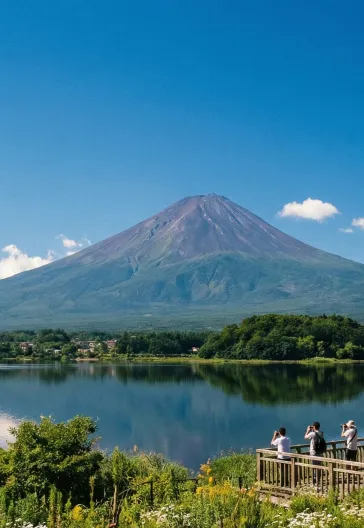
- Mt. Fuji, enchanting with its scenery
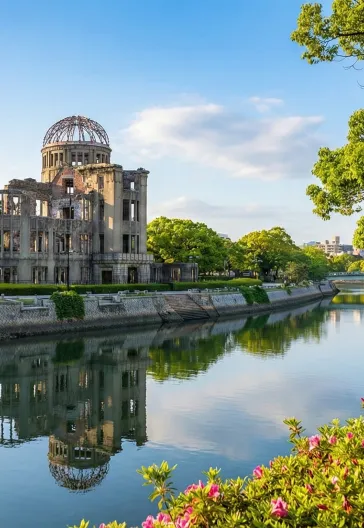
- Hiroshima, which suffered one of the greatest tragedies in history
- Kyoto, the former capital that best reflects Japan's culture, architecture, and traditions and is home to more than two thousand temples
- UNESCO World Heritage Sites: Kinkaku-ji Temple, Nijo Castle, Kiyomizu Dera Temple, Itsukushima Shrine, Hiroshima Peace Memorial
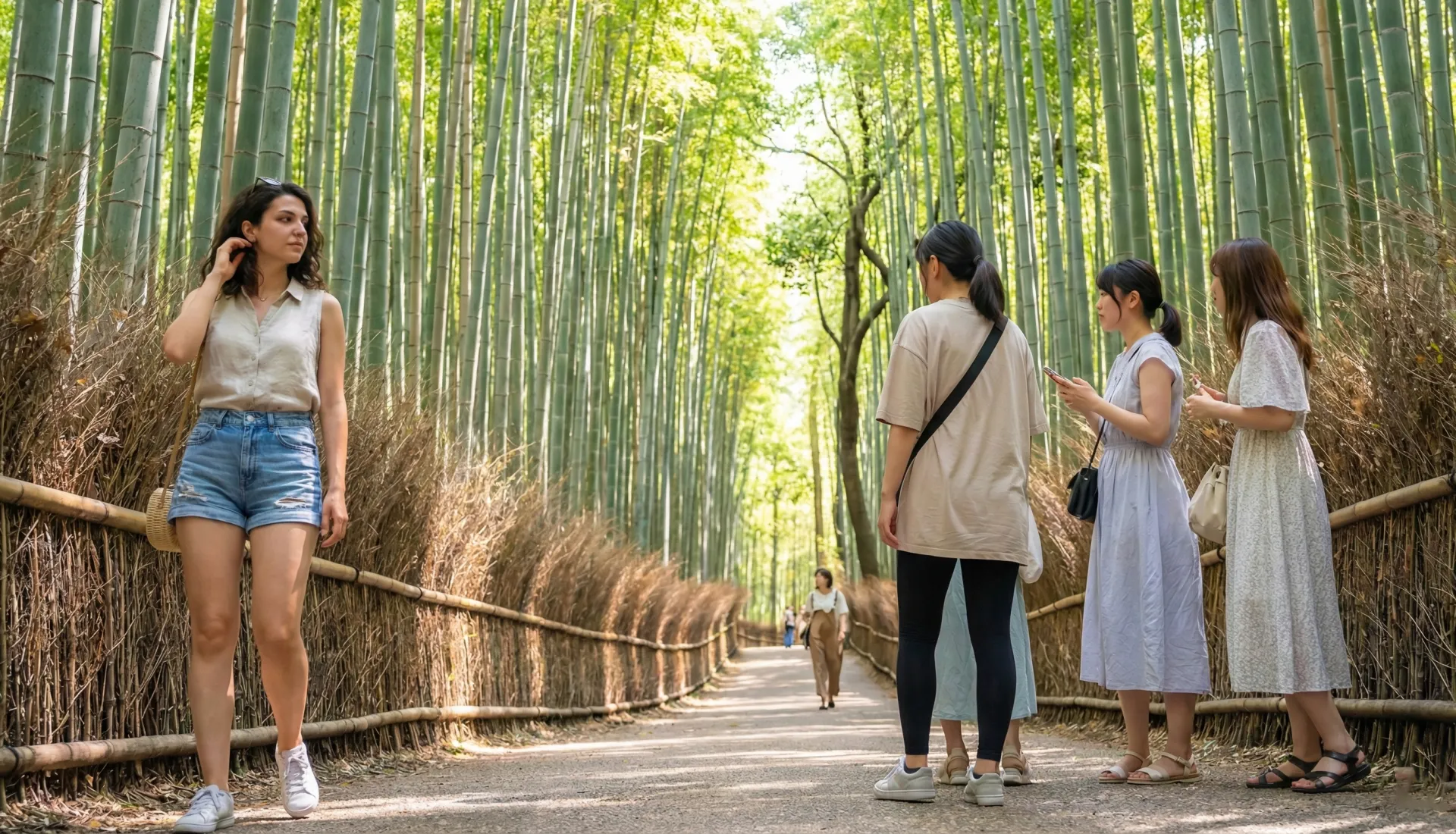
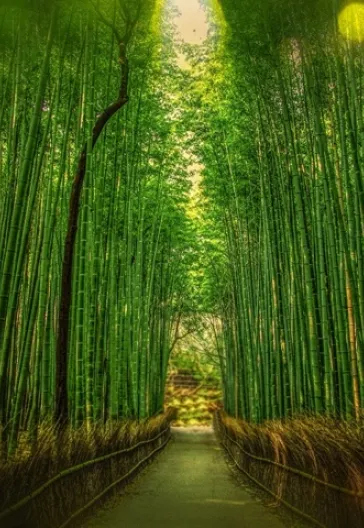
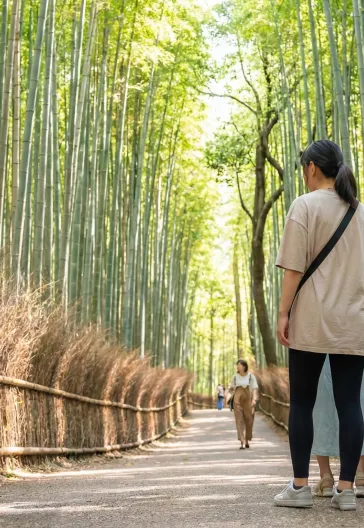
- Arashiyama Bamboo Forests
- Tokyo, the capital and one of the most populous cities in the world
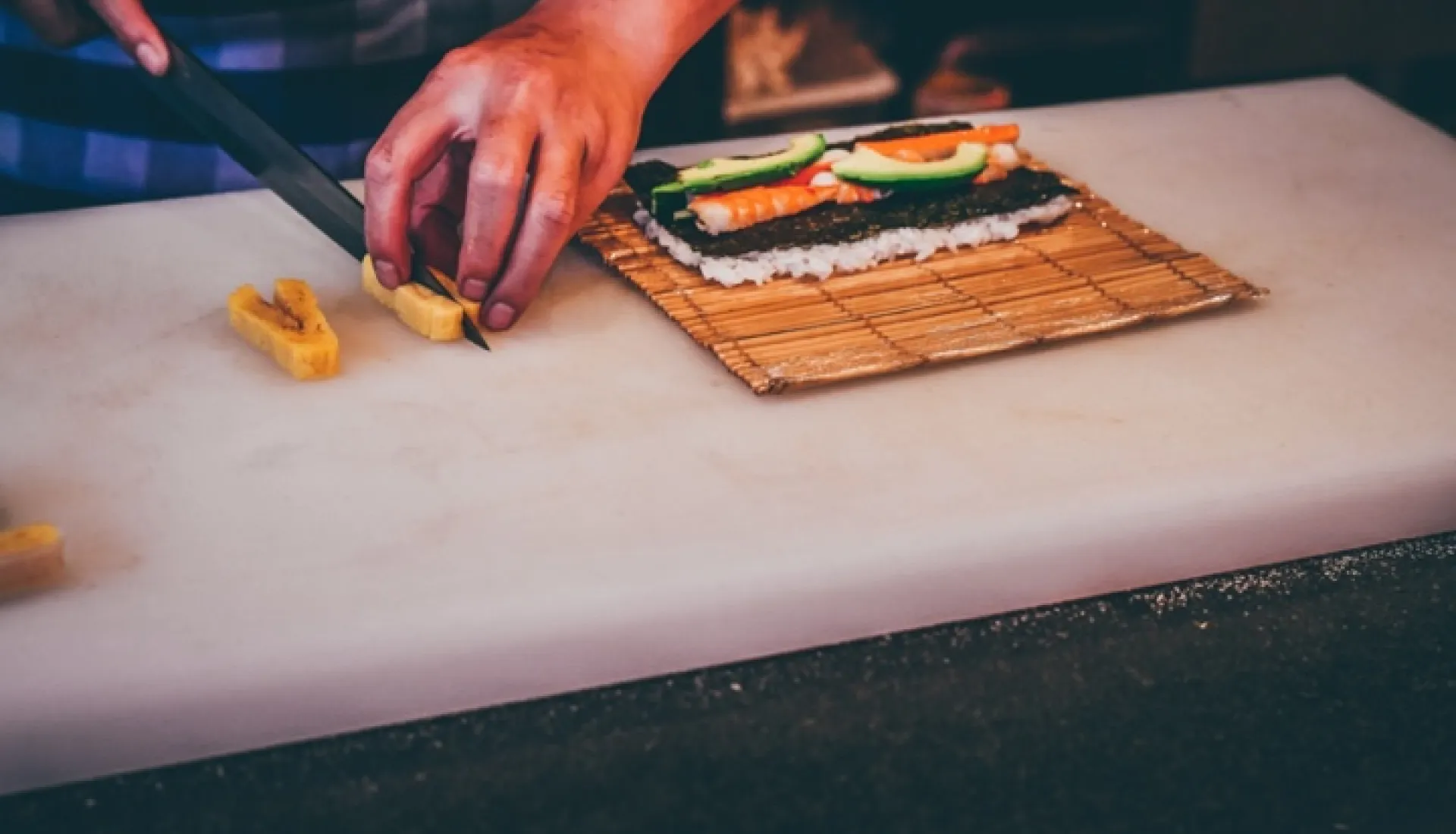
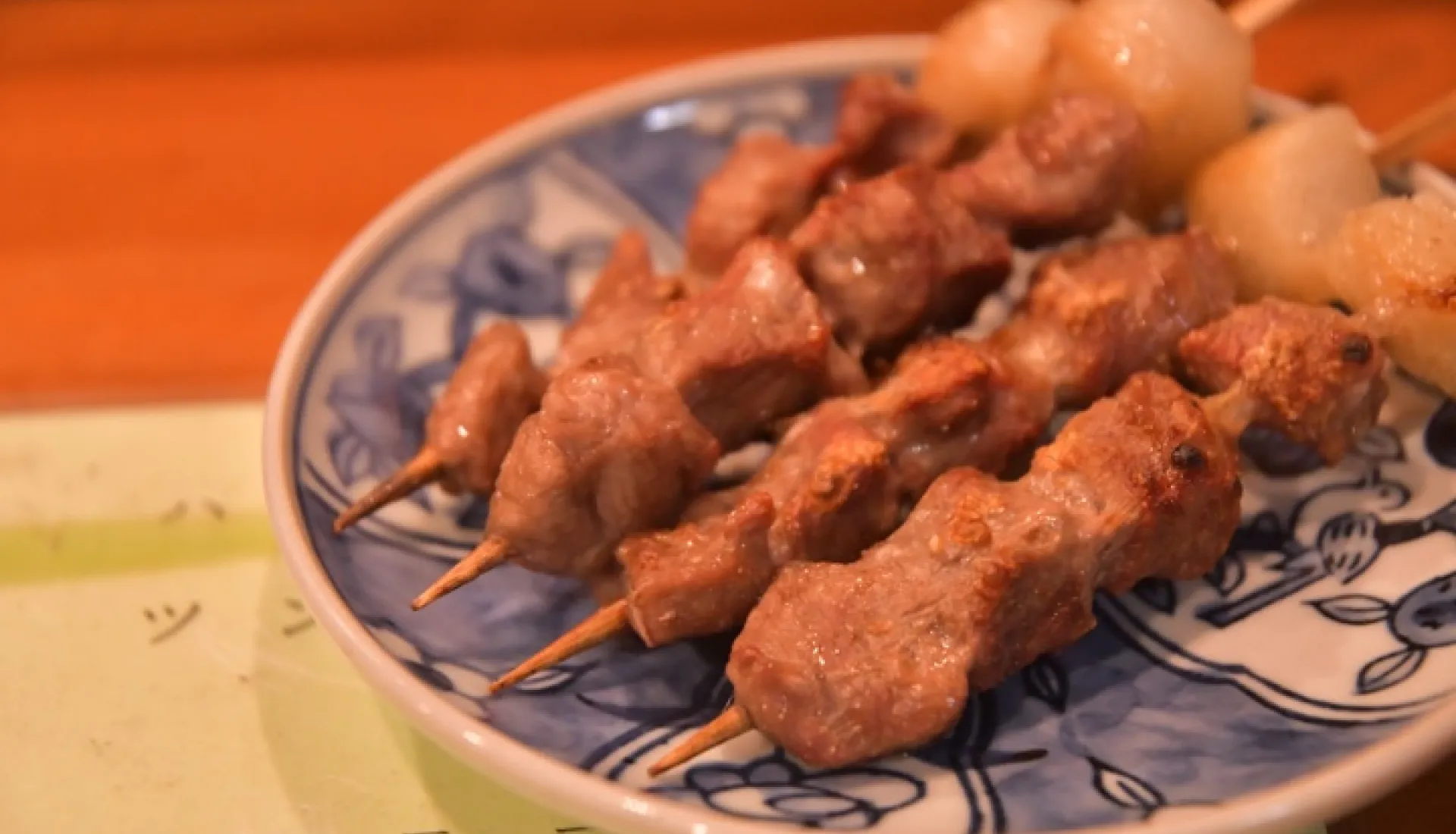
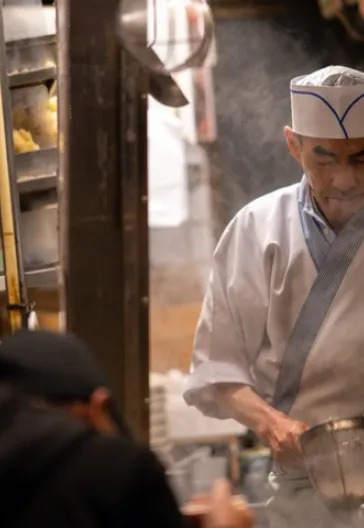
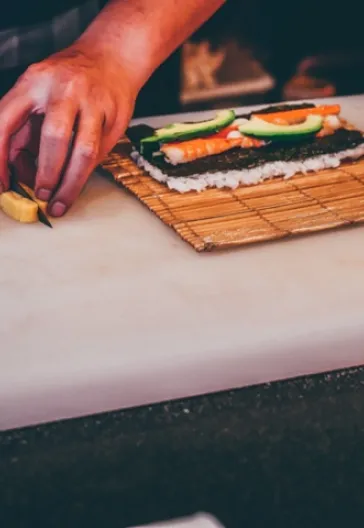
- Famous Japanese street foods
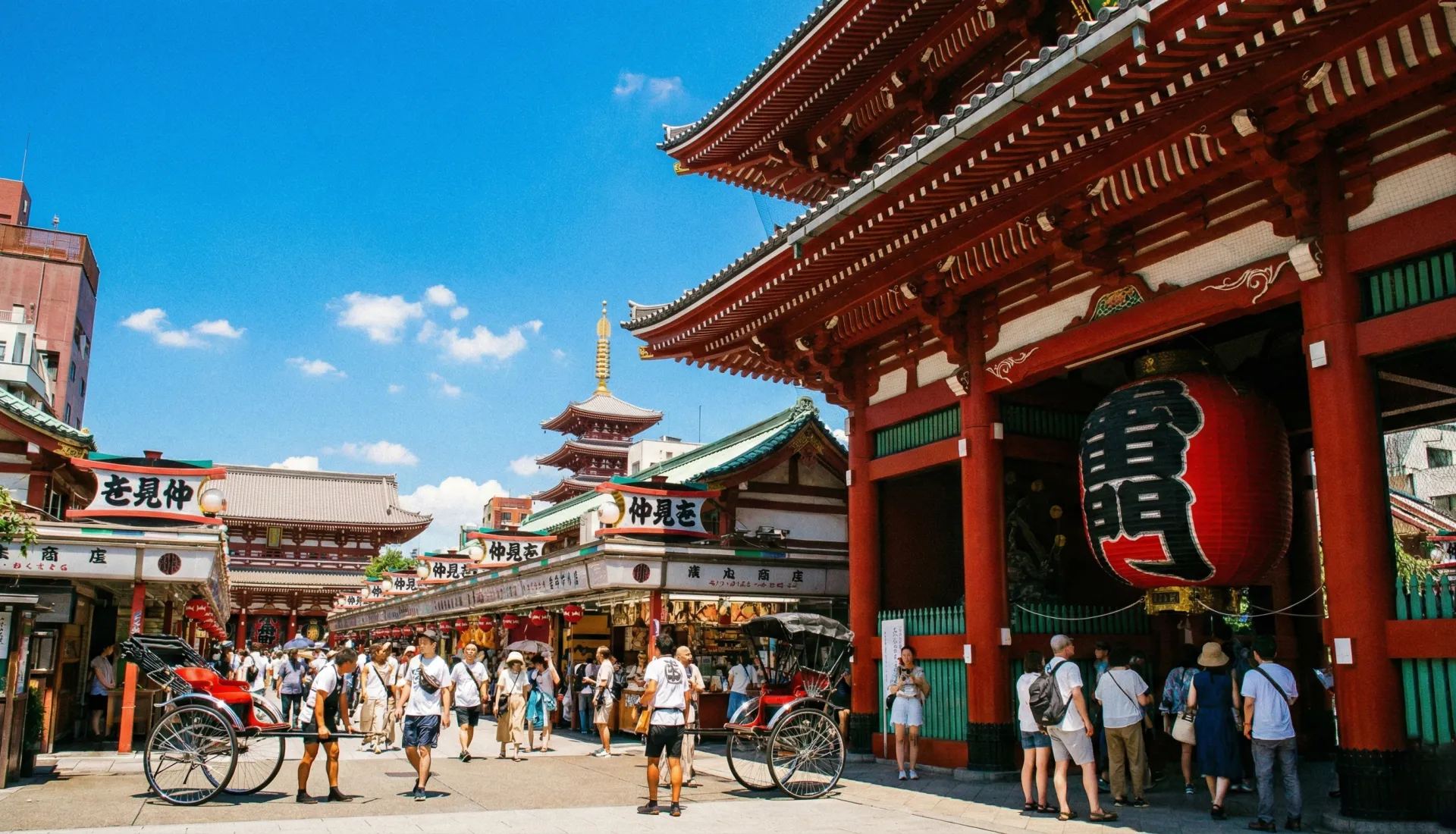
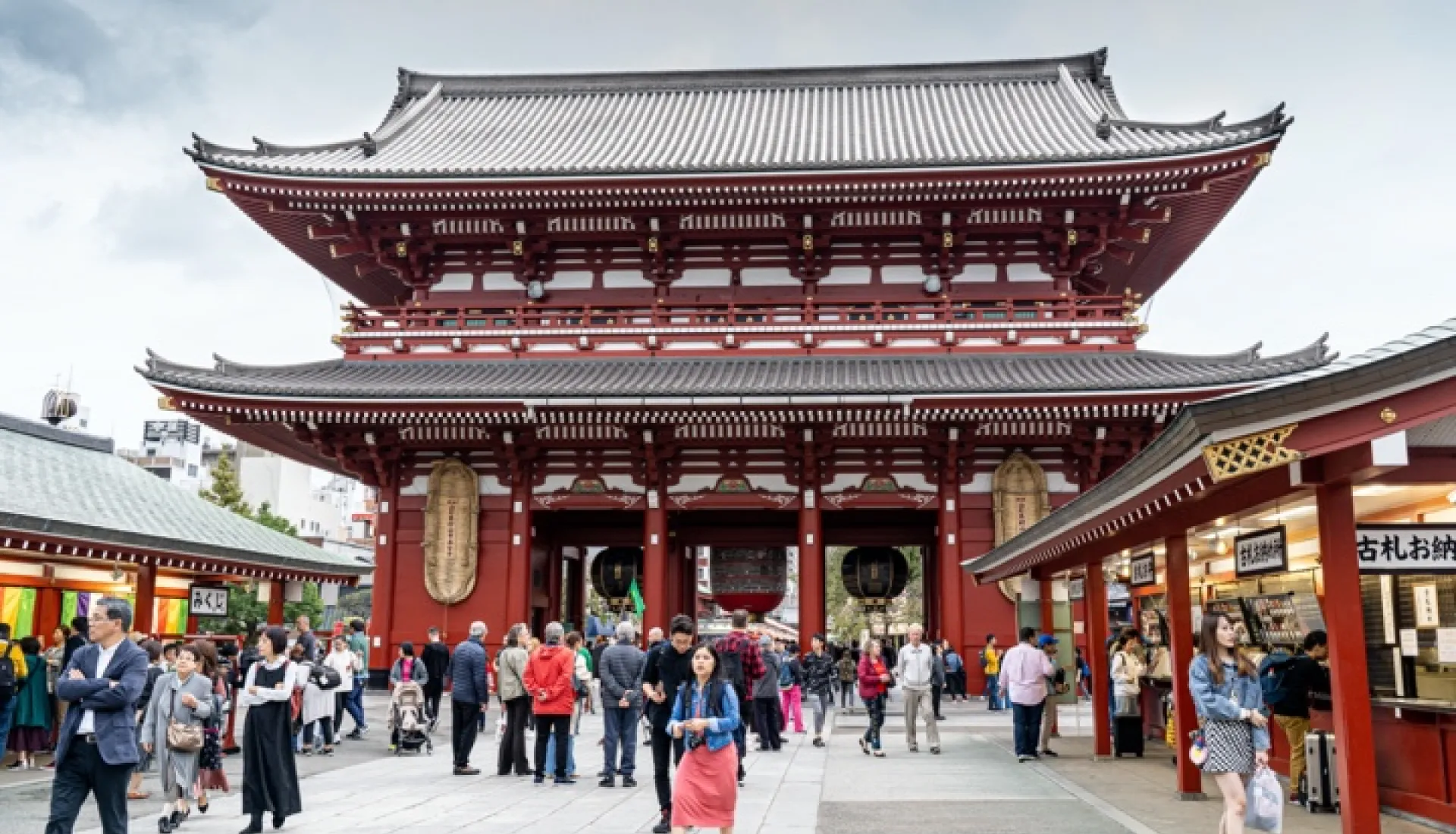
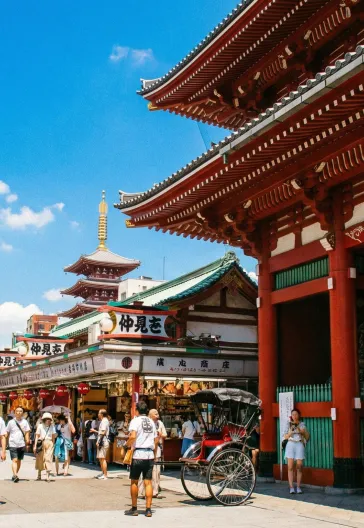
- Senso-ji, one of Tokyo's oldest temples
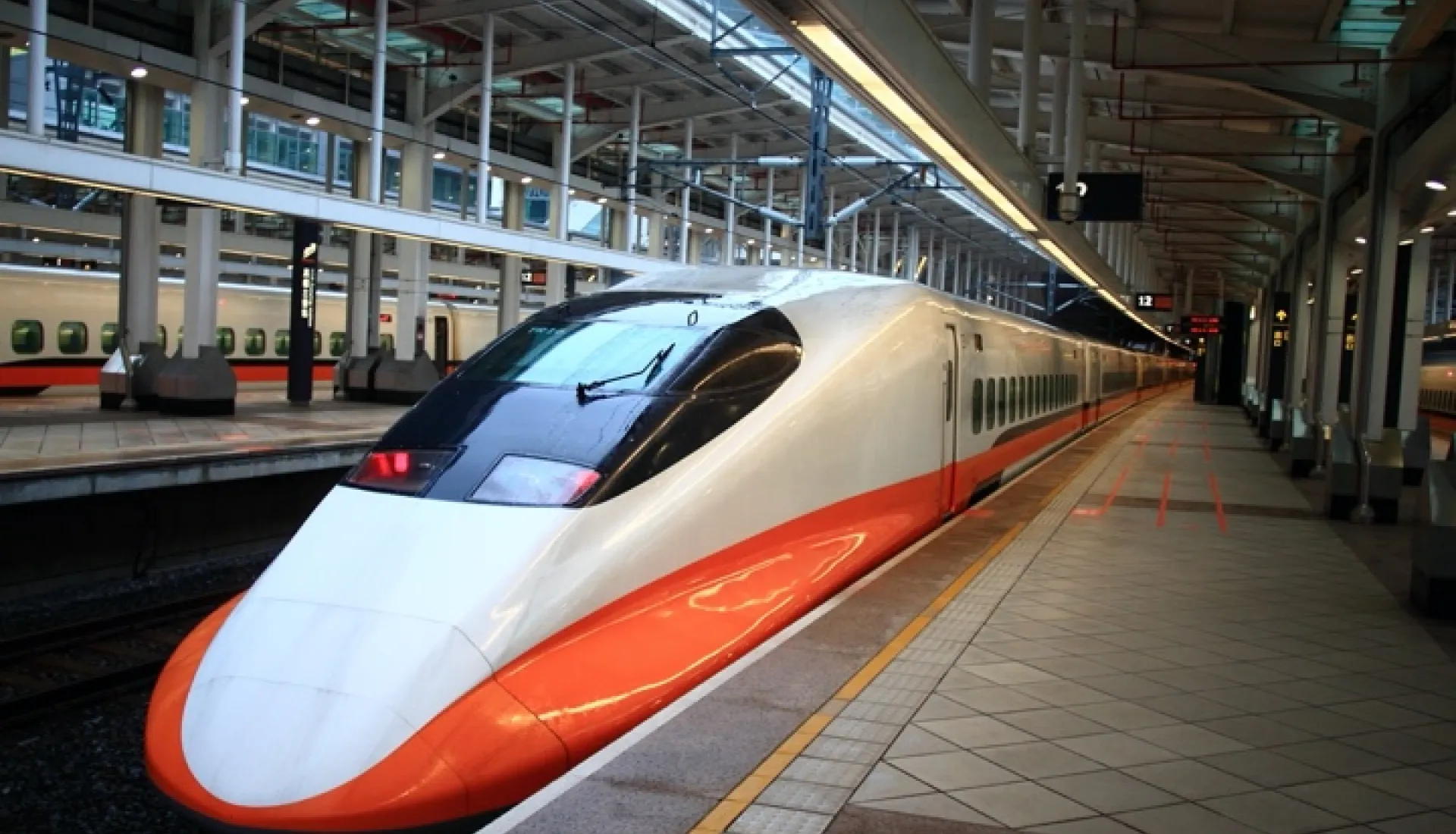
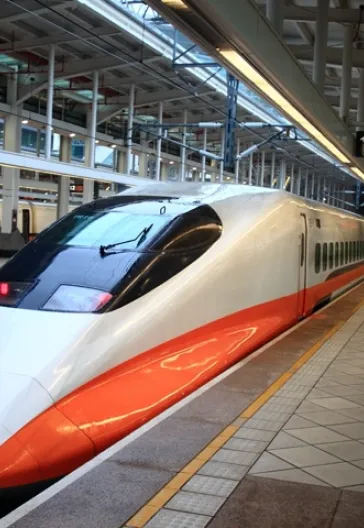
- Traveling with Japan's famous high-speed train network, the Shinkansen
Price per person (Adult)
This tour is guaranteed to depart with a minimum of 5 people.
Reservation: Select tour date
Tour days
►Tour start location and time: ~ 20:00 Osaka Kansai International Airport
►Base flight: Istanbul Airport - Osaka Kansai International Airport Departure: 02:00
Airport transfer is arranged according to the base flight. Transfer requests for guests with flights before or after the base flight are provided for an additional fee.
Katar Hava Yolları'nın 20:10 kalkışlı QR246 nolu uçuşu ile Katar'ın Doha kentine uçuyoruz. Saat 00:10'da Doha'ya iniyoruz.
We fly to Osaka, Japan on Turkish Airlines flight TK86 departing at 02:00. After passport procedures, we obtain our transportation card and, following a short journey, arrive in Kyoto and check into our hotel.
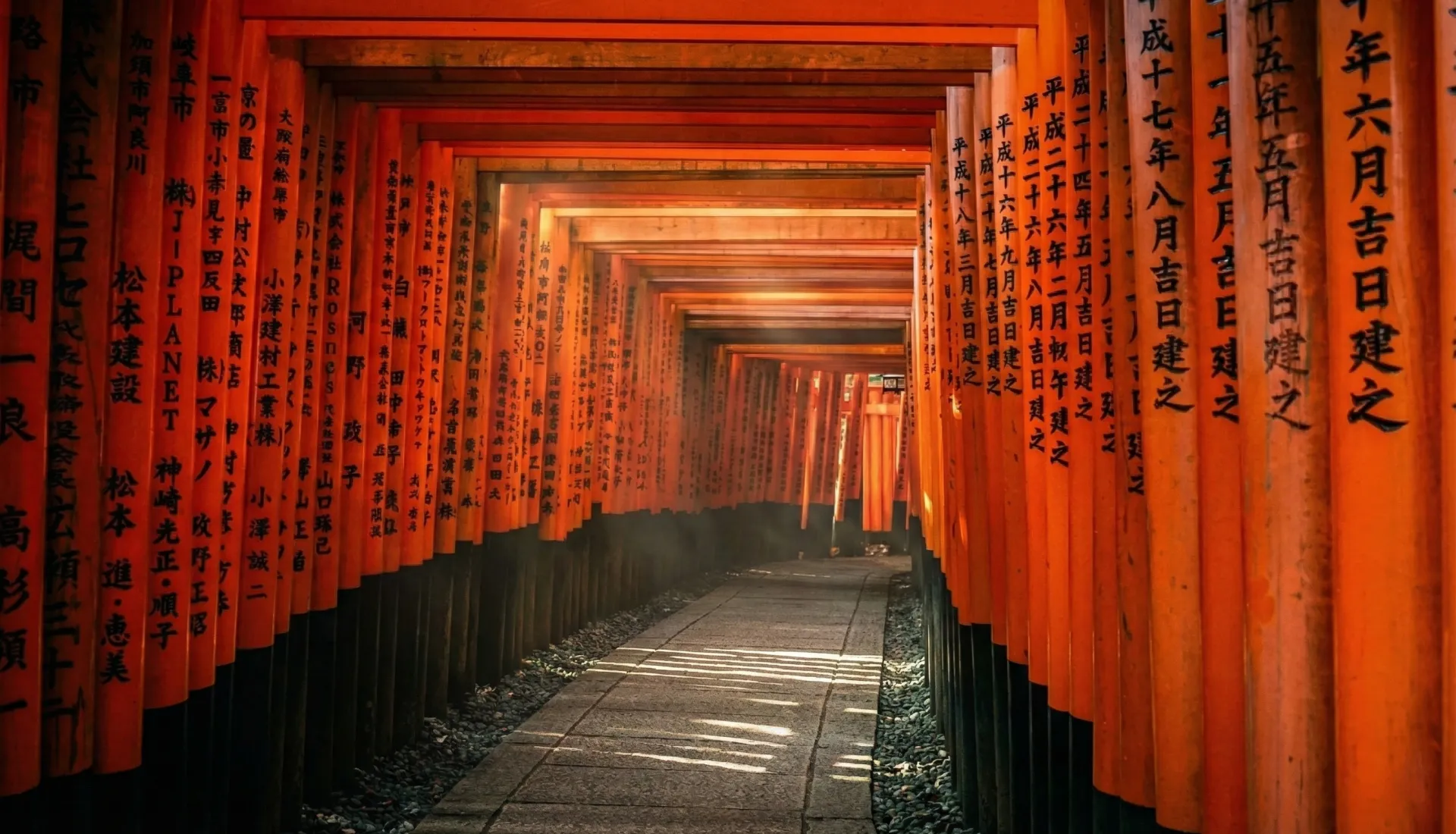
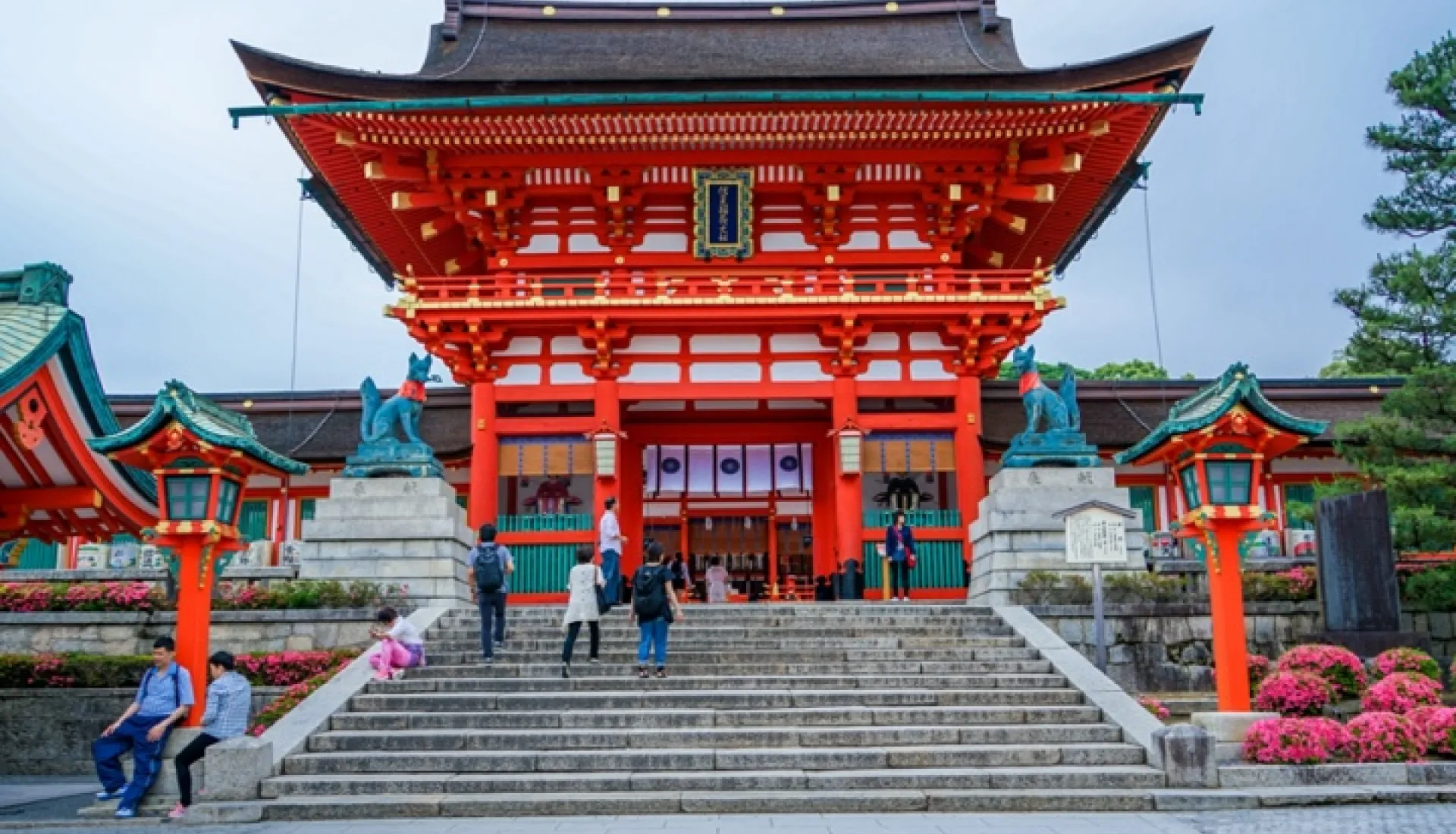
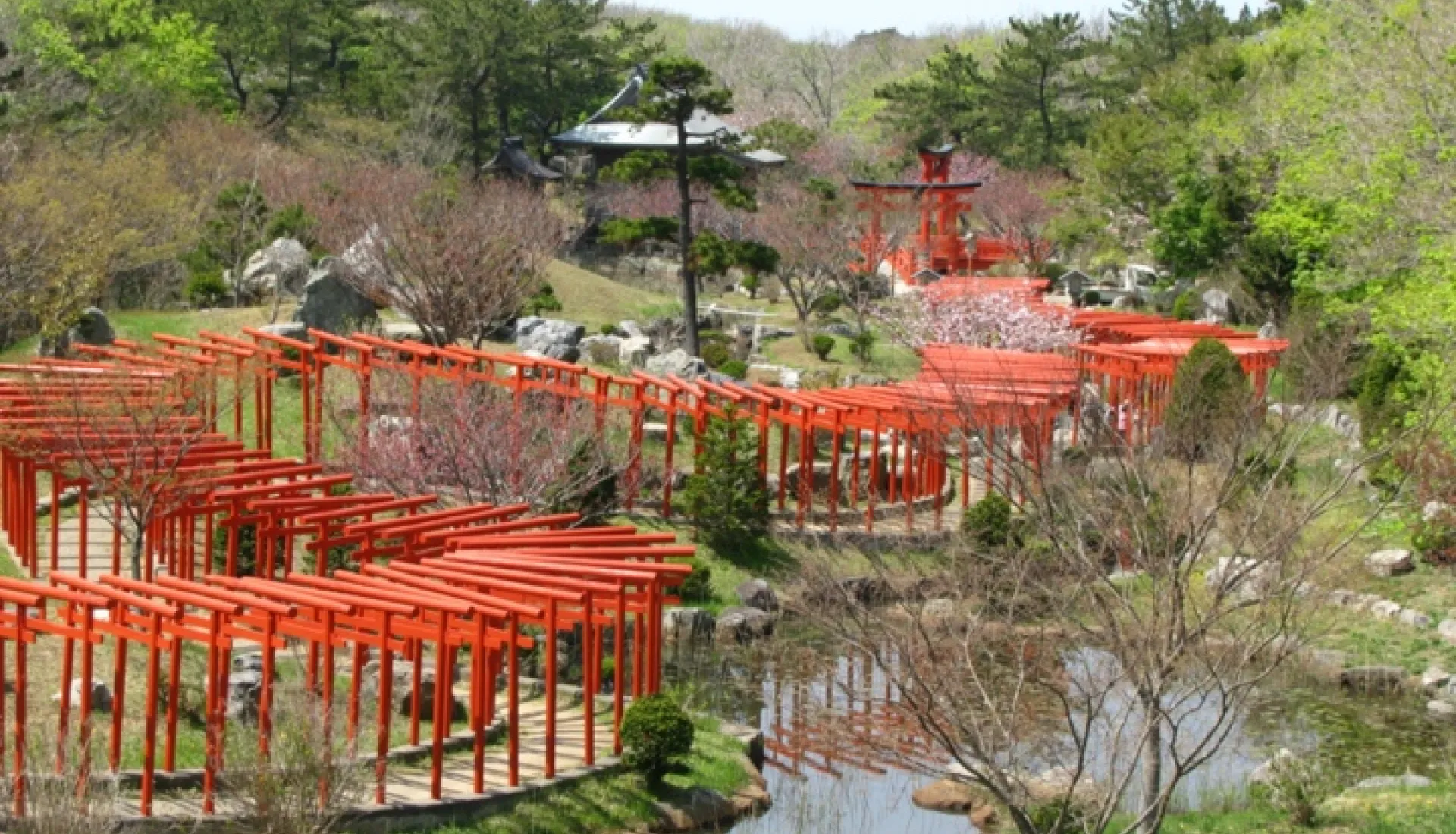
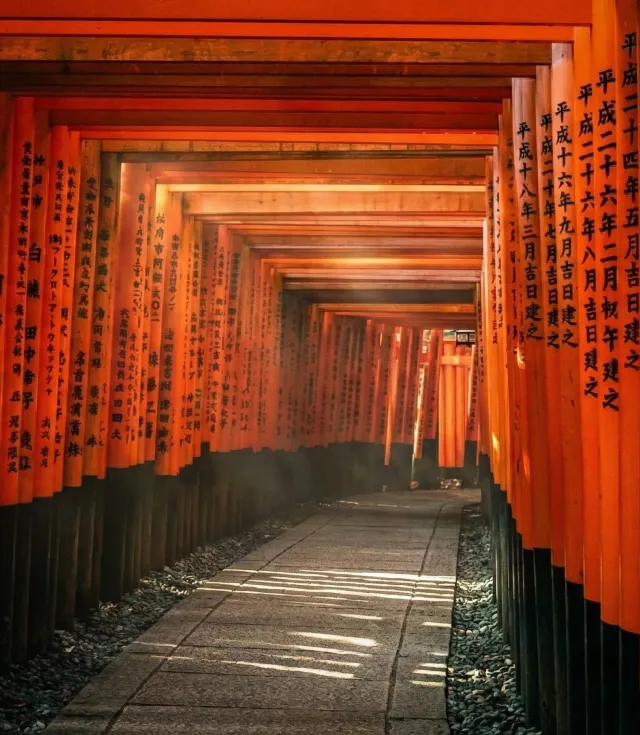
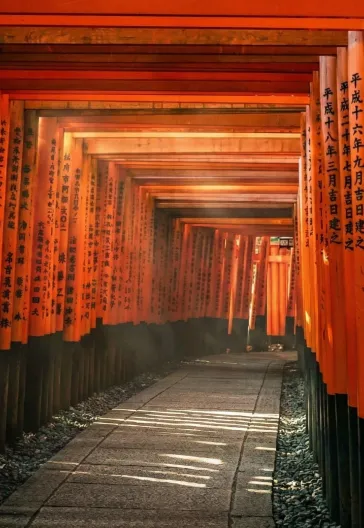
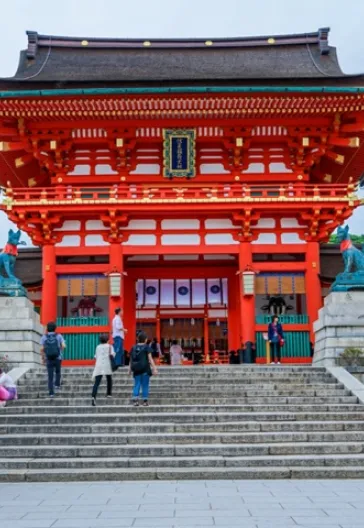
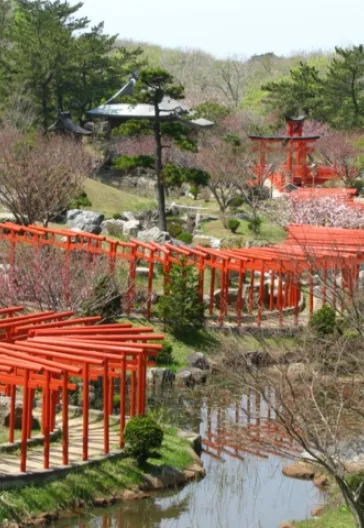
After breakfast we start exploring Kyoto, a city that best reflects Japan’s culture, architecture, and traditions, home to over two thousand temples, which served as the capital of the former empire between 794 and 1868, and is famous for its palaces, parks, historic houses, and geishas. Our first stop is Fushimi Inari Shrine, located just outside Kyoto on the slopes of Mount Inari. Here, we'll walk under hundreds of iconic torii gates just like in the movie Memoirs of a Geisha and enjoy the peaceful atmosphere of the area.
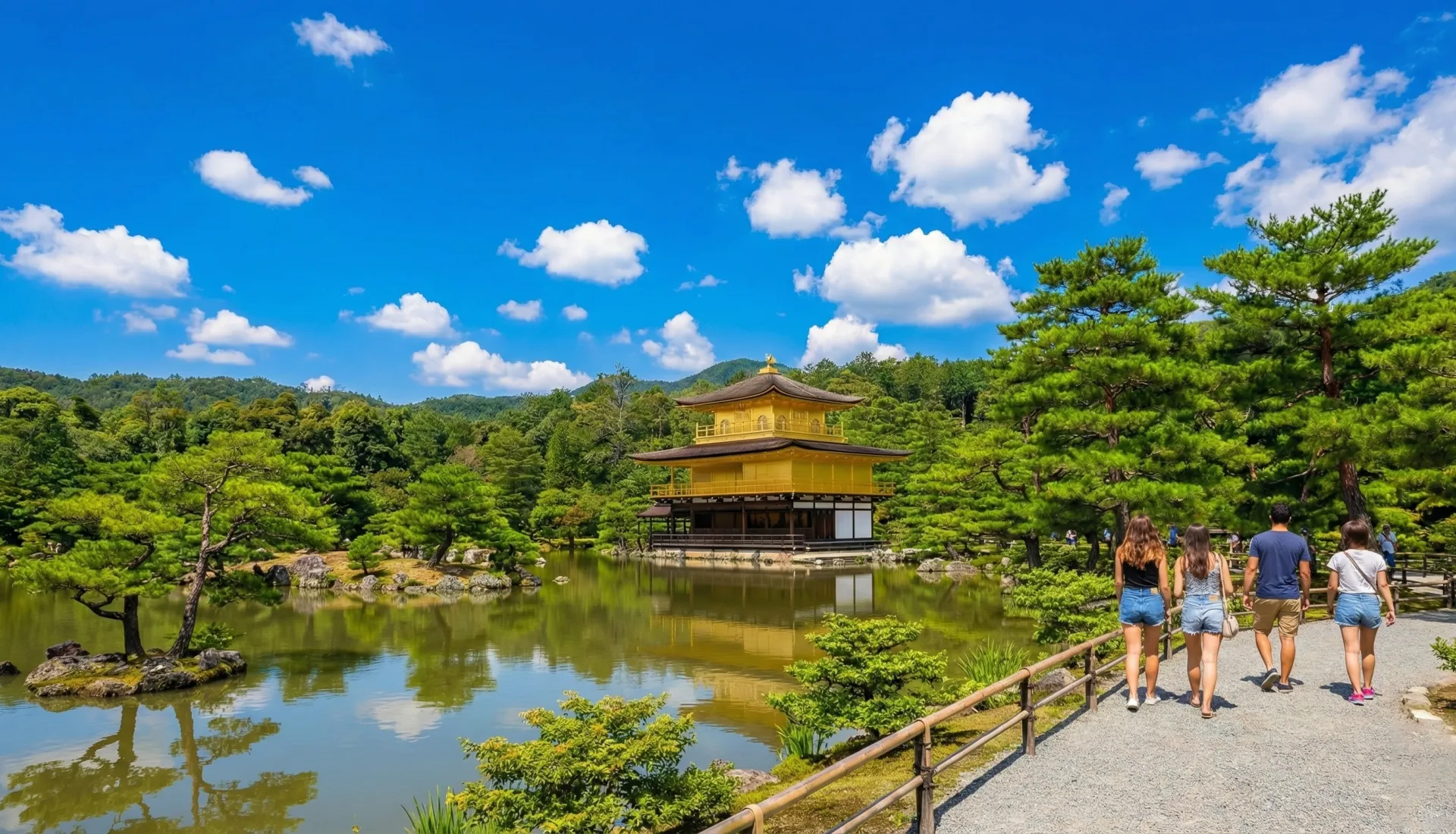
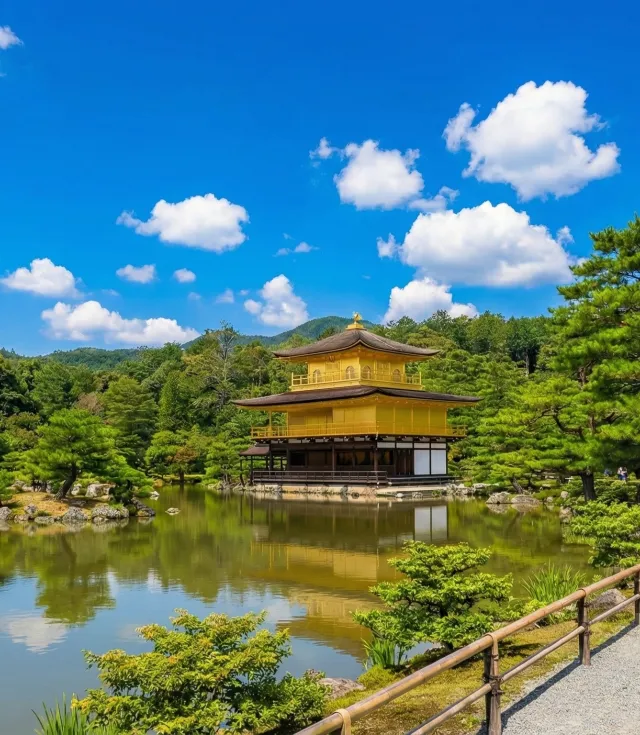
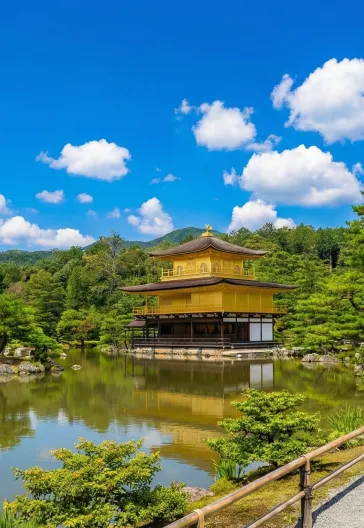
Next, we head to the other side of the city to visit Kinkaku-ji, also known as the Golden Pavilion, built in the 14th century and listed as a UNESCO World Heritage Site. After photographing the temple, which stands before a lake and behind a vast forest, we’ll visit a few of the many gardens waiting to be discovered nearby. After visiting the temple, our next stop is Nijo Castle and its Gardens.
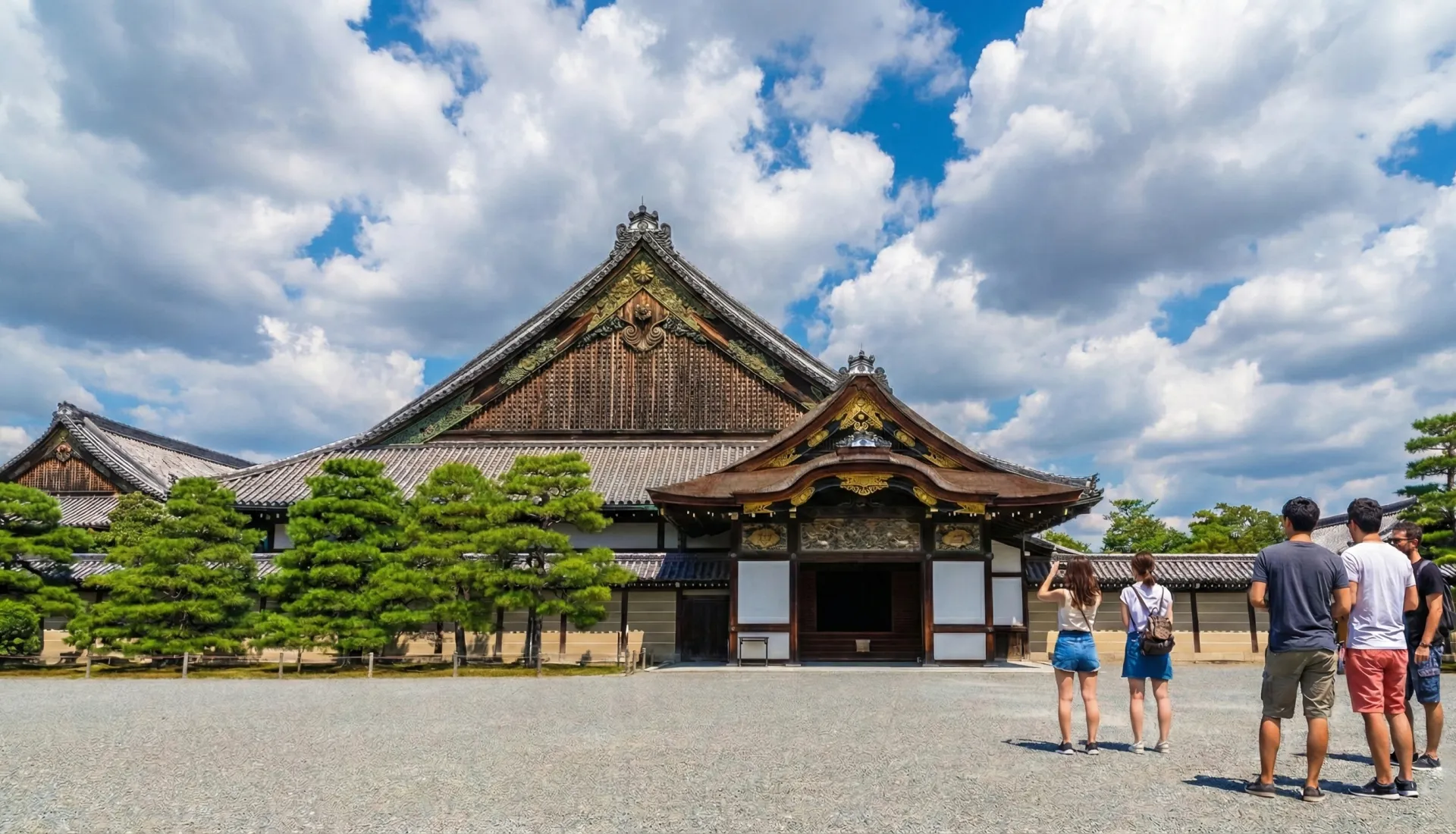
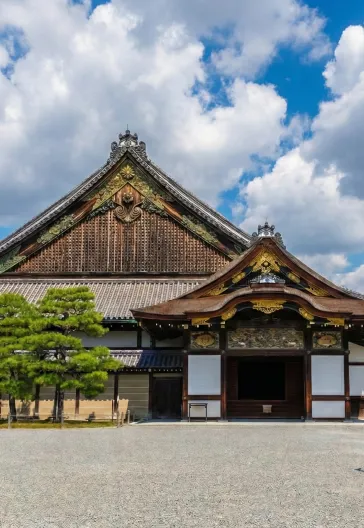
Nijo Castle, a UNESCO World Heritage Site built in 1603, hosts buildings that reflect traces of Japan’s Feudal Era. The castle is divided into three areas: Honmaru (main defensive circle), Ninomaru (secondary defensive circle), and the splendid gardens surrounding both. After our visit to the castle, we head to the Kyoto Imperial Palace, where the Japanese Imperial family resided during Kyoto’s period as the capital. Entry into the palace buildings is forbidden, but we’ll take a short stroll through its vast gardens.
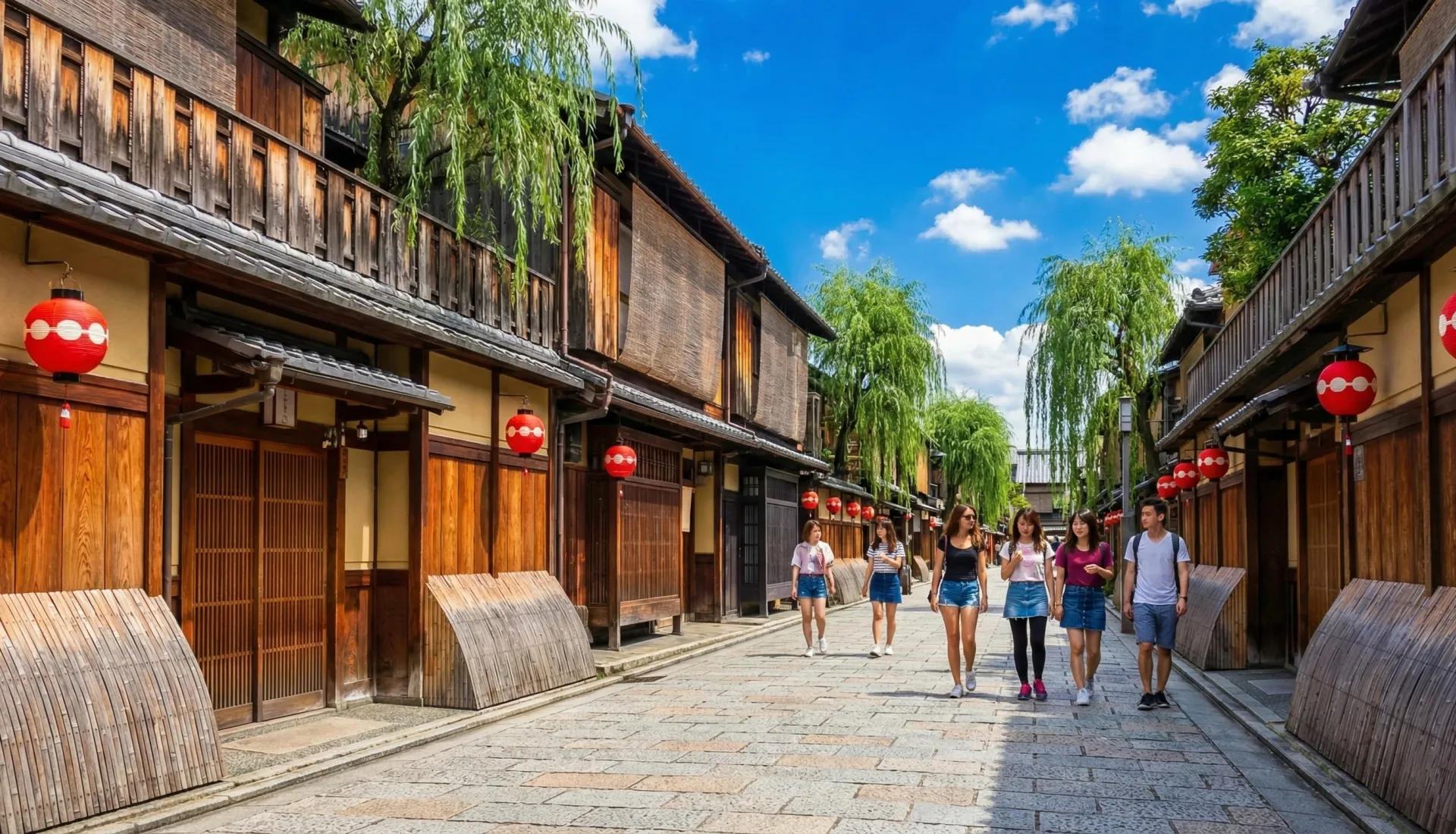
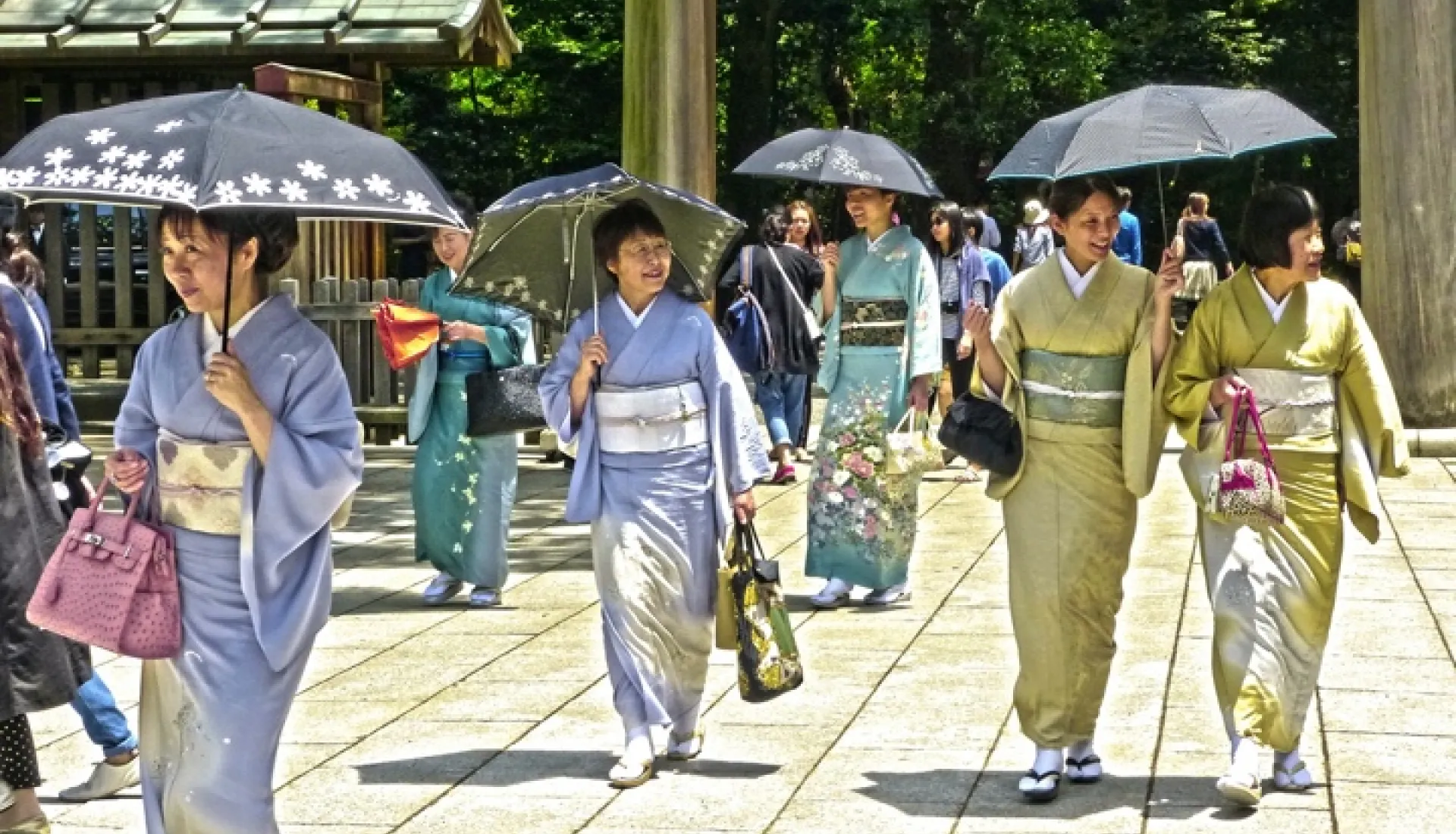
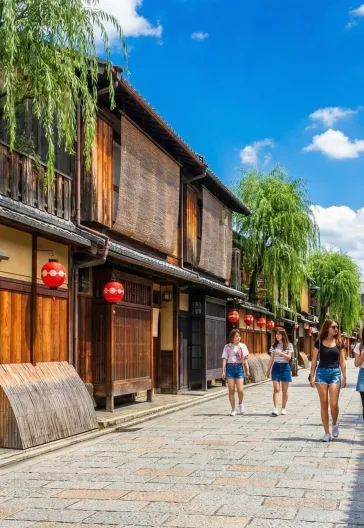
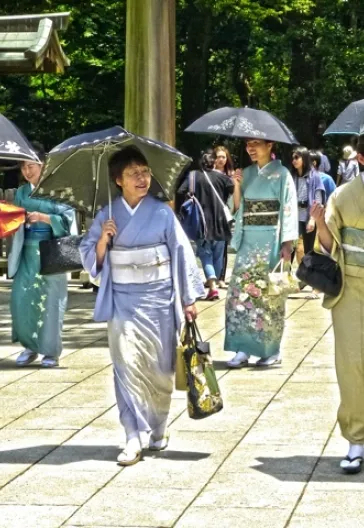
After leaving the palace, we move on to the famous geisha district of Gion. Here, we may encounter geishas strolling around in their kimonos. We start our Gion tour at Yasaka Shrine. Built in 656, the shrine stands out with its paper lantern decorations. It also hosts Gion Matsuri, one of Kyoto’s largest festivals. After leaving the shrine, we continue our Gion tour. Surrounded by traditional wooden houses and narrow streets, Gion is one of the city’s centers for dining, drinking, and entertainment. While here, you’ll have the chance to taste Japanese cuisine and visit the tea houses called Ochaya, where geishas entertain guests with tea ceremonies. Afterwards, we complete this long day and return to our hotel.
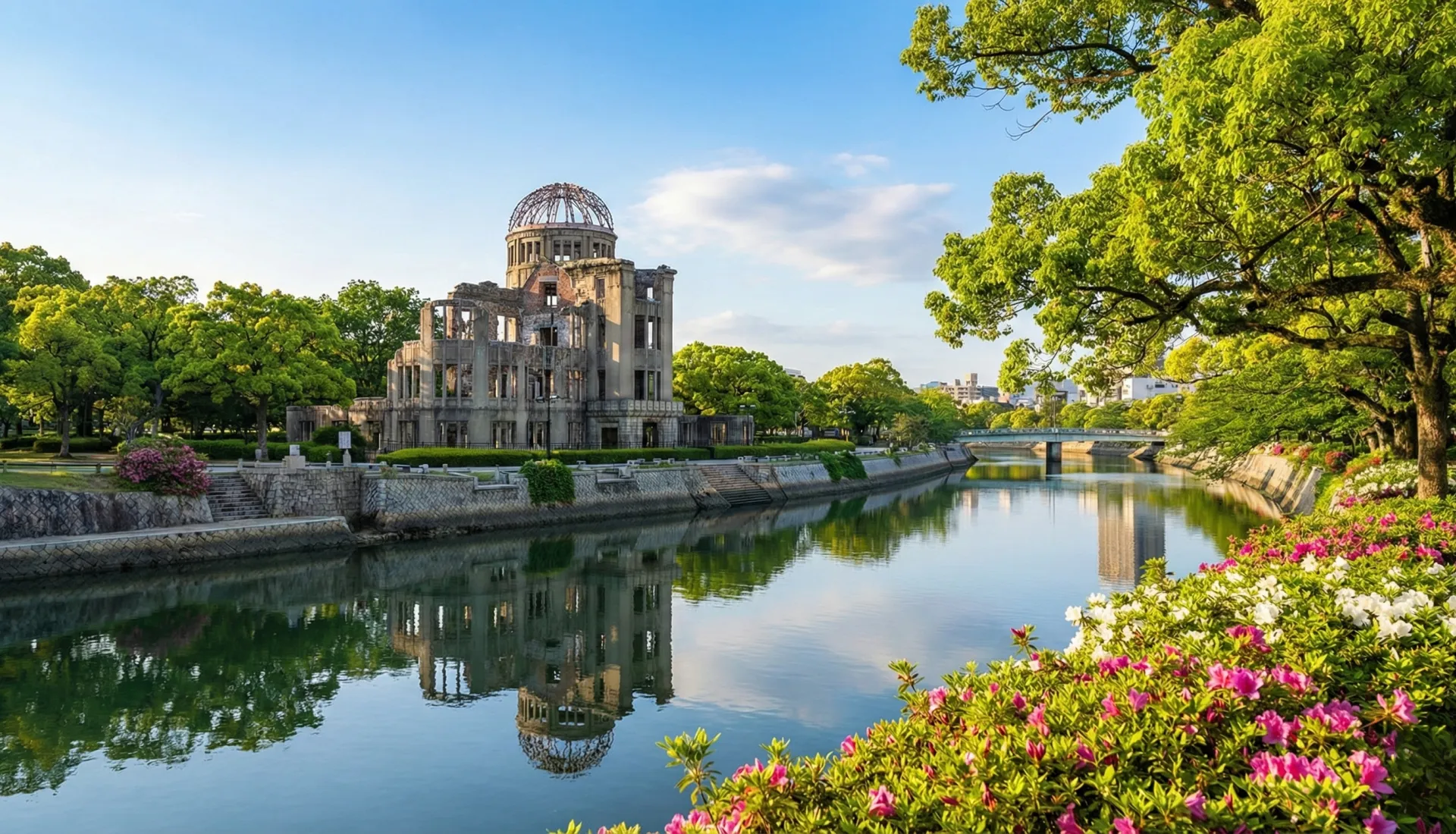
Early this morning, we arrive in Hiroshima by high-speed train after a 1.5-hour journey (340km), a city that endured one of history's greatest tragedies. Upon arrival, our first stop is Peace Park, a living monument dedicated to the tens of thousands who lost their lives in the 1945 atomic bomb explosion. The flame burning in the park will only be extinguished once all nuclear weapons in the world are destroyed. Located in the city center, the park hosts memorials honoring both those killed by the atomic bomb and those who died later. We will visit the statue of Sadako Sasaki, the young girl who died of leukemia as a result of the bombing. Afterwards, we will see the Gembaku Dome, the only building to withstand the blast. After some free time and lunch, we return to Kyoto by high-speed train.
Depending on the remaining time and train schedules, we can also stop by Kobe with those who wish and have our dinner there.
After breakfast, we travel to Osaka again by high-speed train.
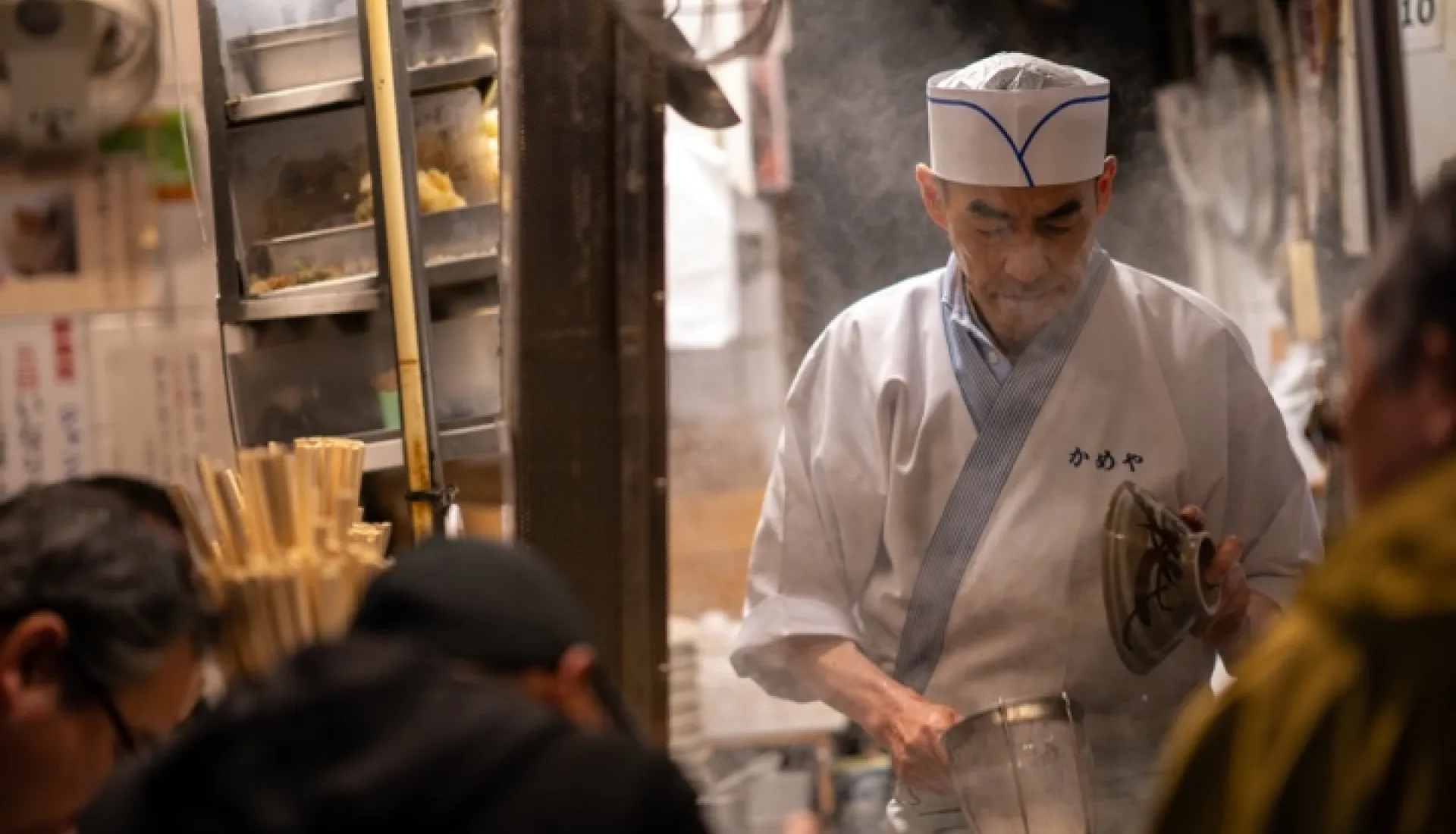
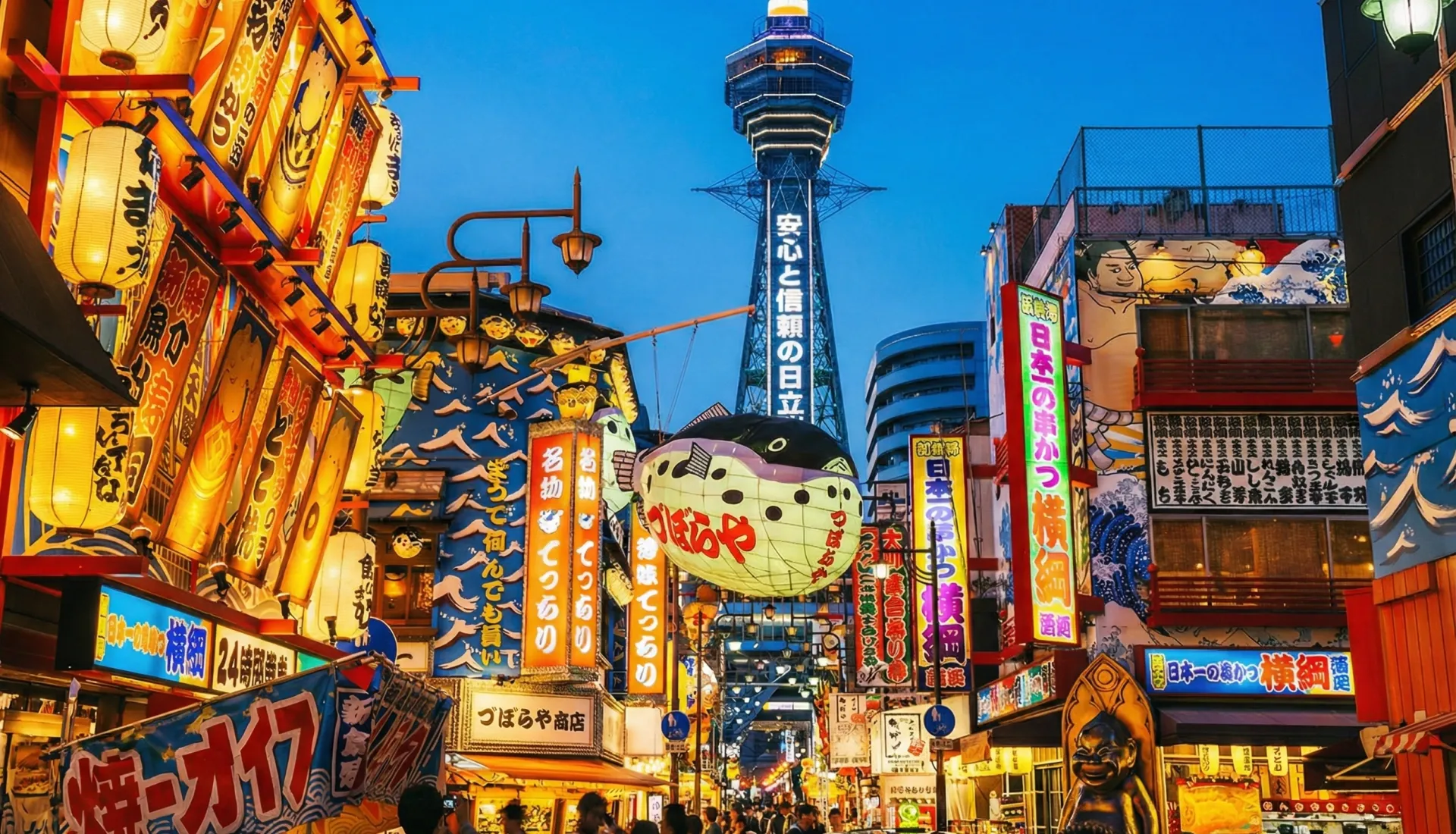
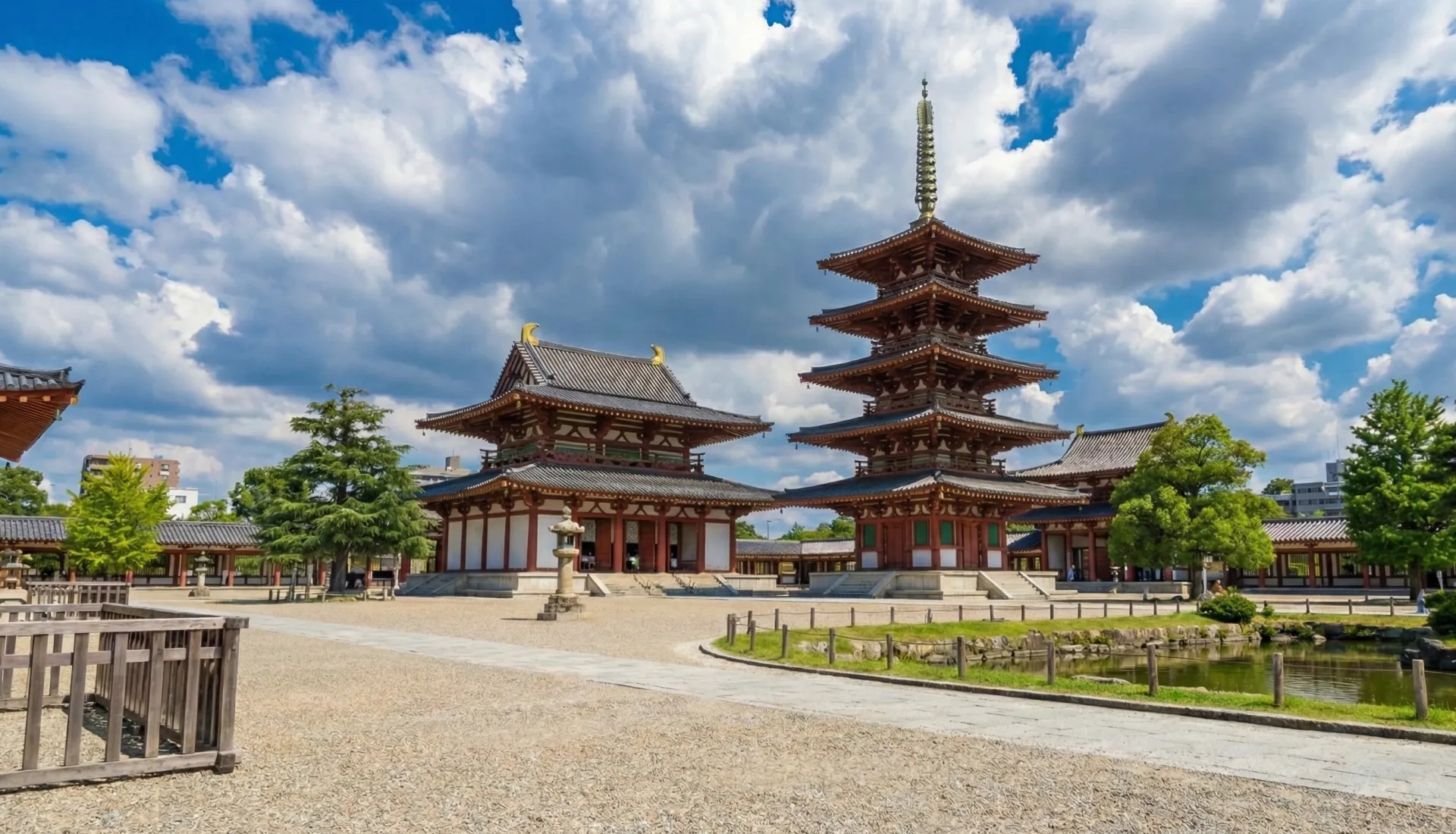
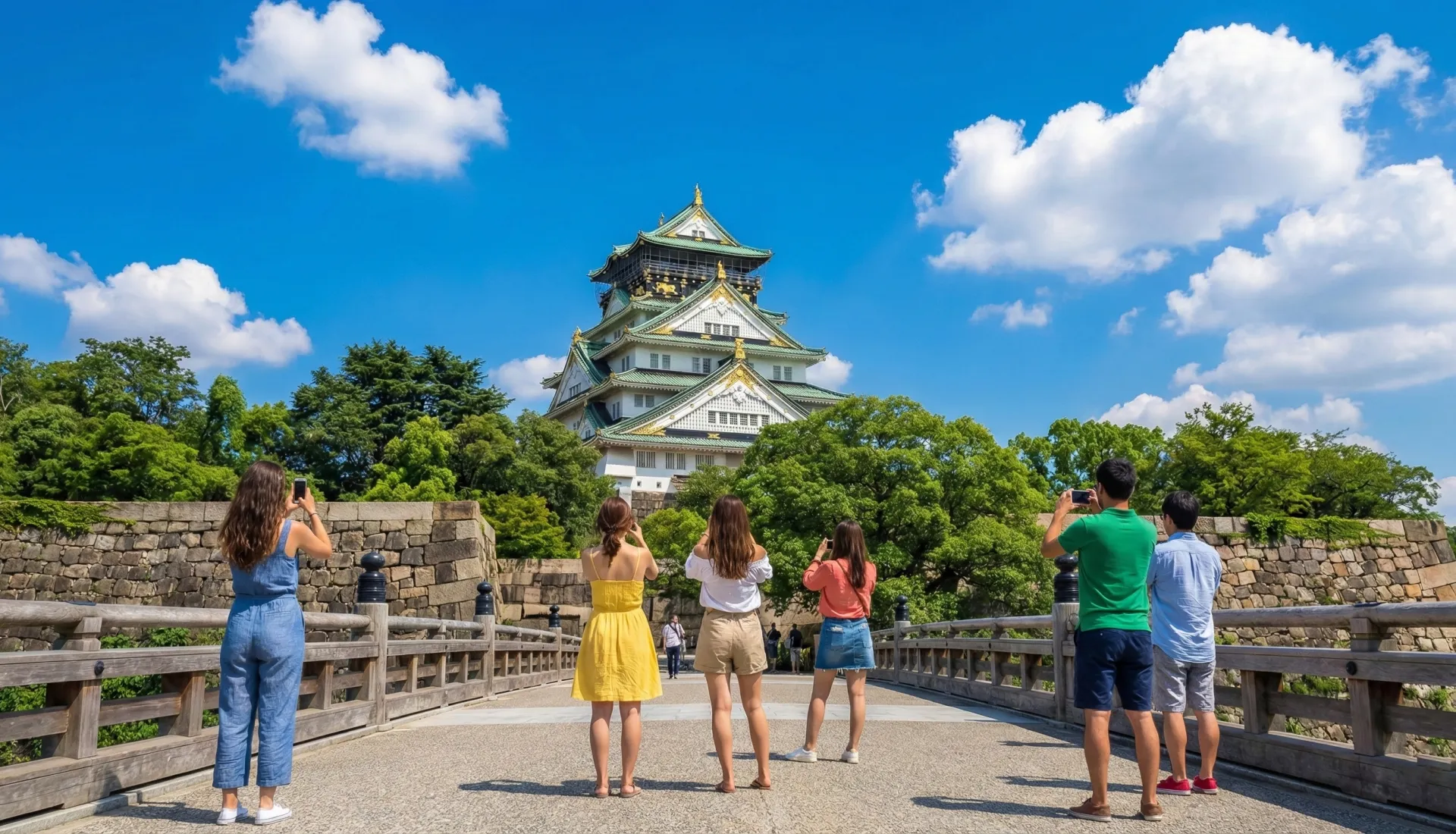
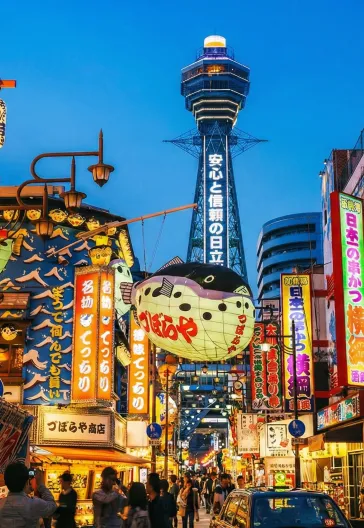
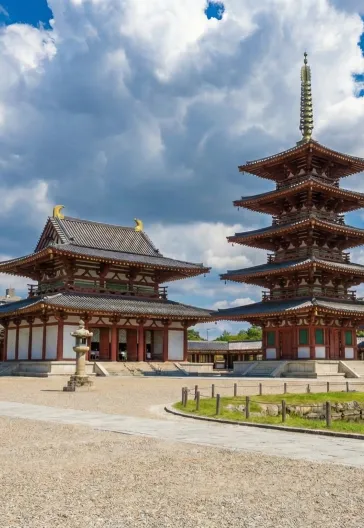
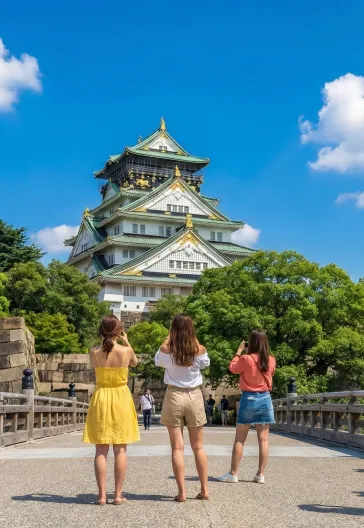
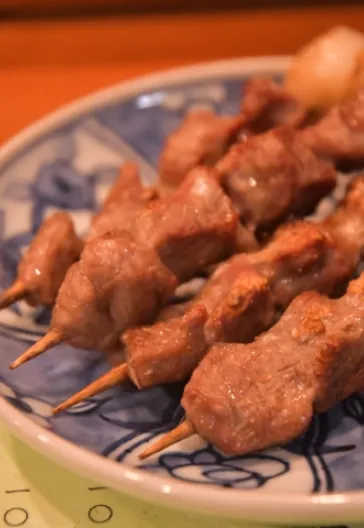
Osaka is traditionally regarded as Japan’s gourmet food capital or the Nation’s Kitchen. This means that during our tour, we will often taste street food delicacies. We begin our visit with Osaka Castle, one of the finest examples of Japanese architecture, built by Toyotomi Hideyoshi, who ruled Japan and unified the country between 1585 and 1598. After Osaka Castle, we visit Shitennoji Temple, one of Japan’s oldest temples, built in 593. After visiting the temple, we will have a short amount of free time, and then we will head to Nara.
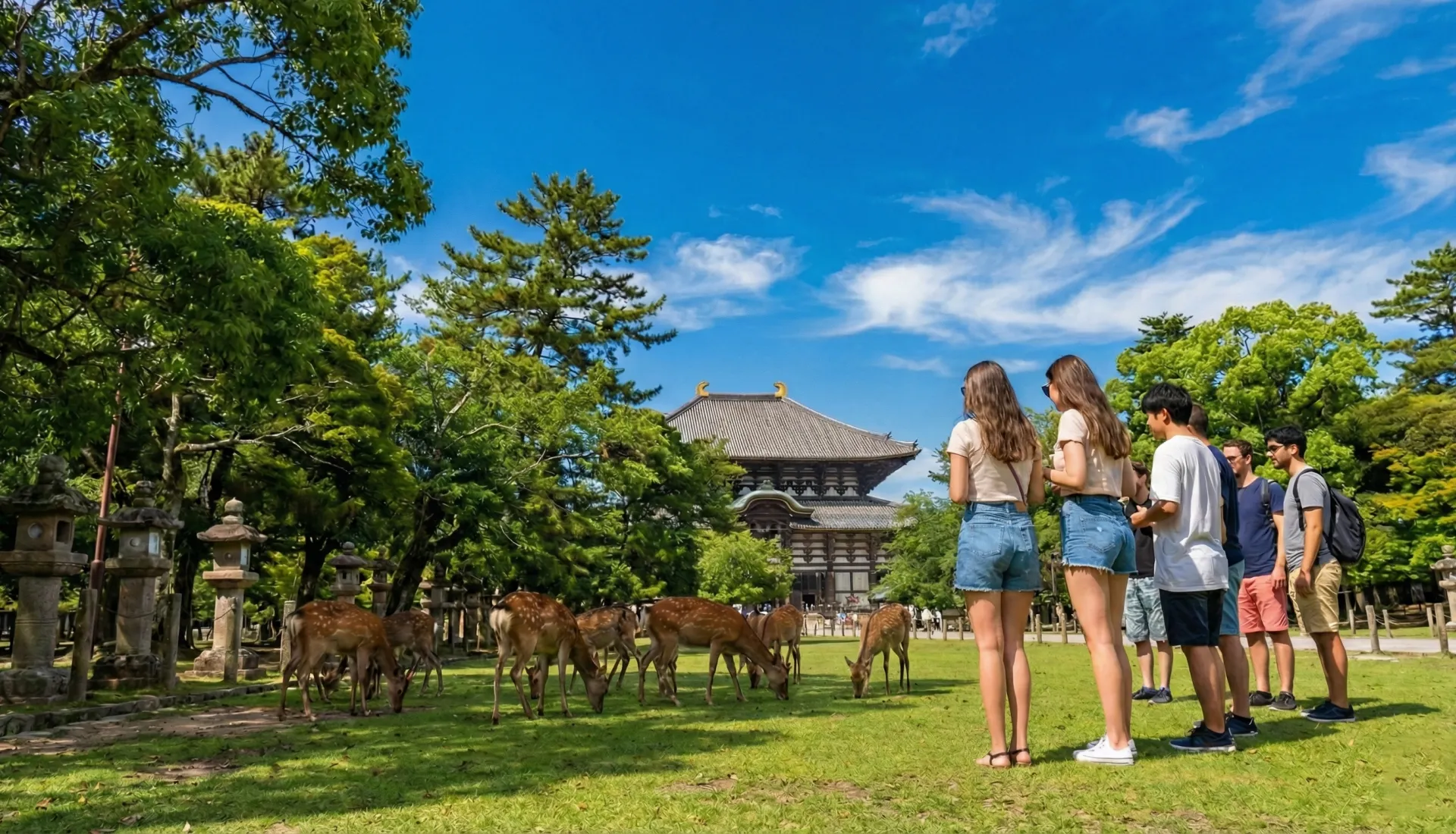
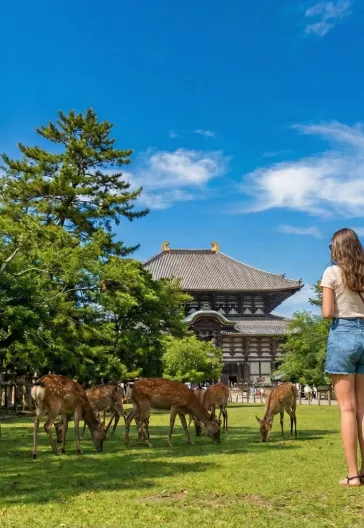
In Nara, which is one of Japan’s ancient capitals and has historically been one of the most important centers of Japanese traditional arts and culture, we visit Todaiji Temple, home to the world’s largest Buddha statue and also the largest wooden structure in the world. Afterwards, we will have the chance to see the Nara deer in Nara Park. After leaving the park, we return to Kyoto.
After breakfast at the hotel, we will visit the last two locations in Kyoto that are on our itinerary before departing for Tokyo, the capital.
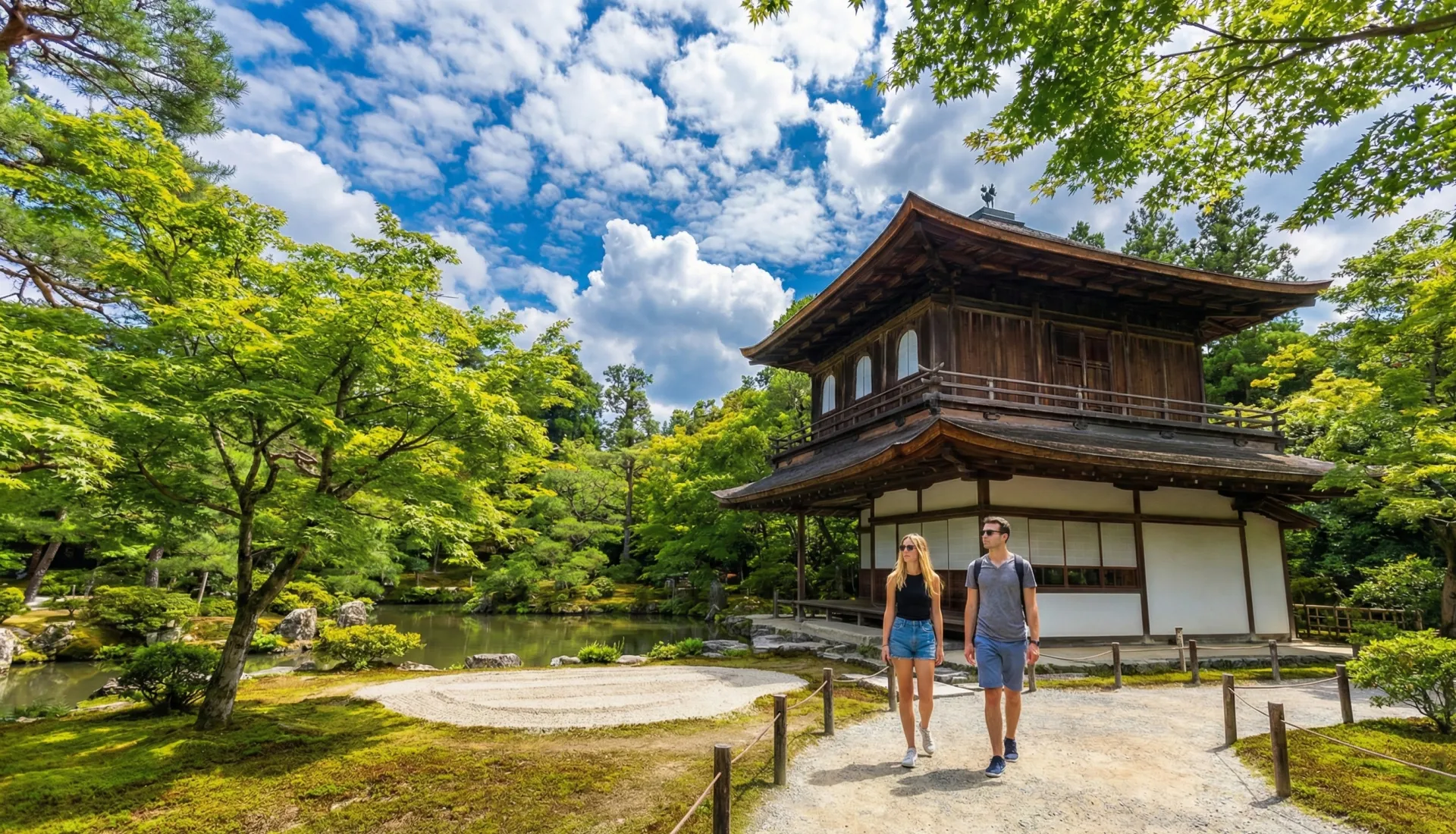
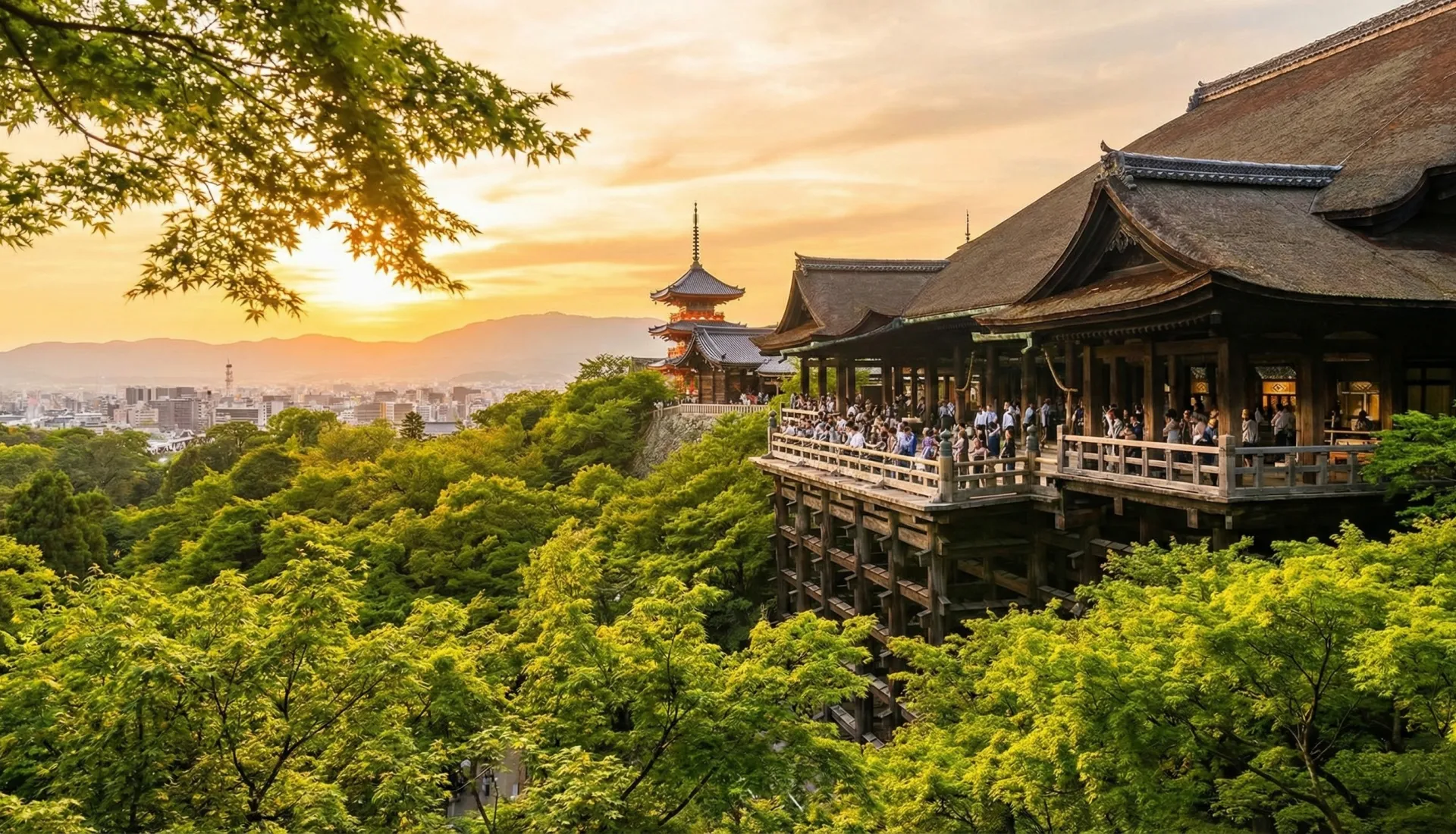
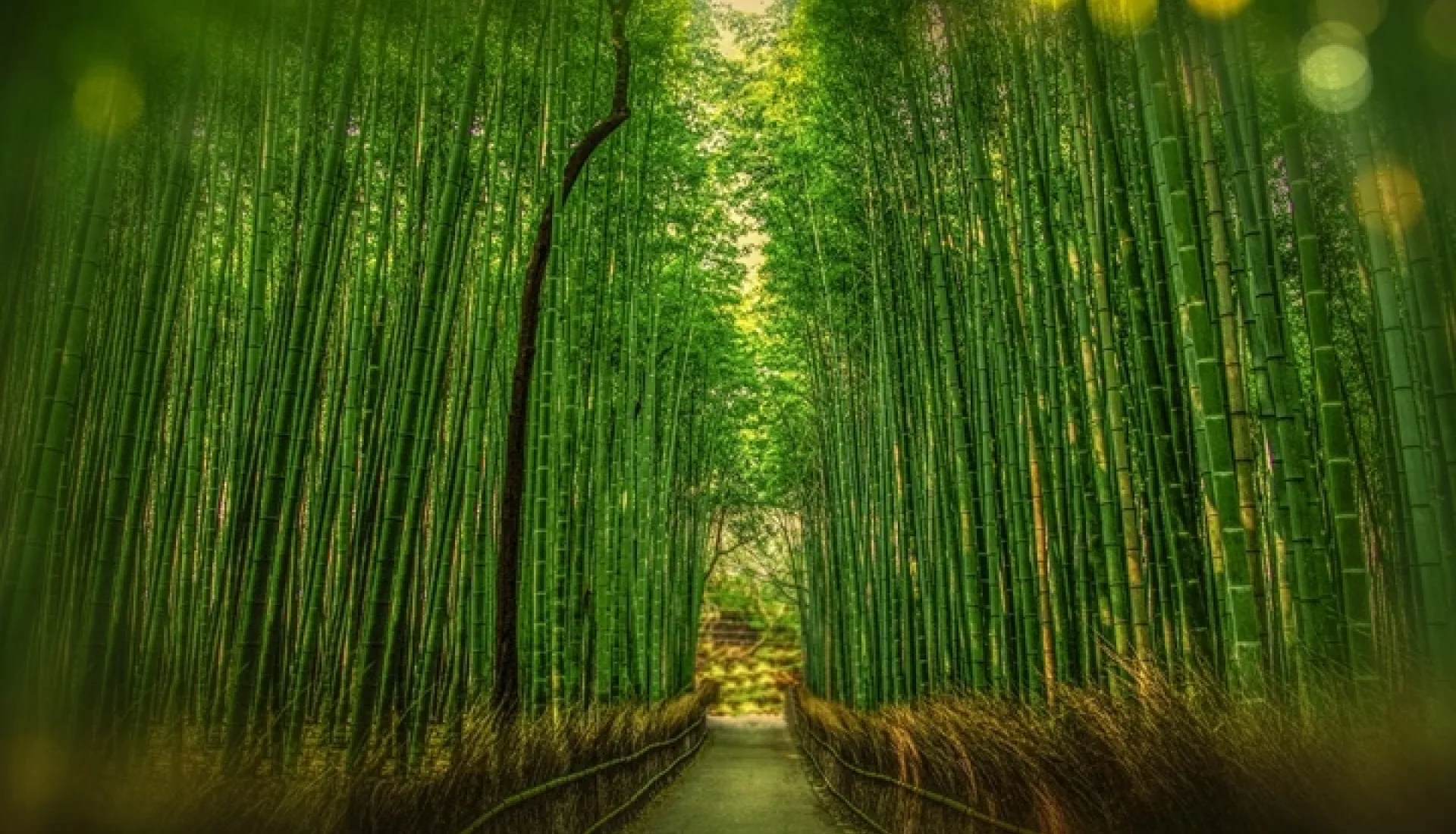
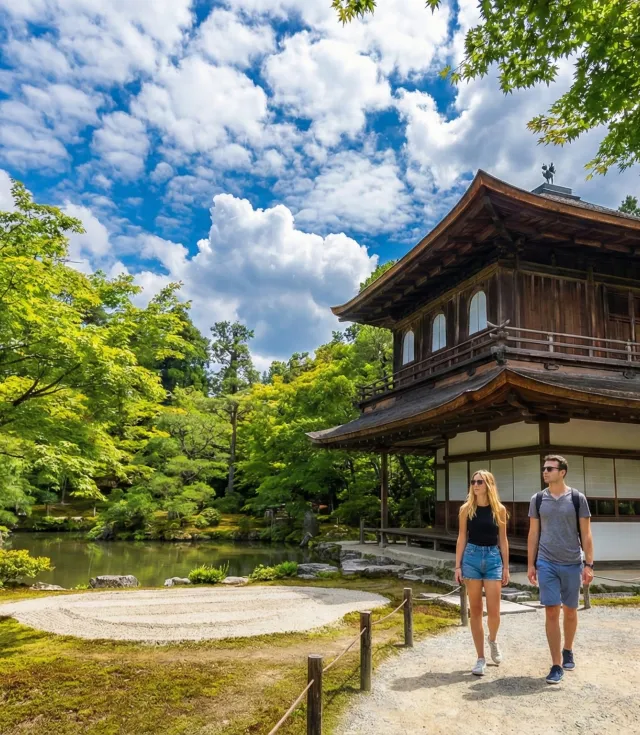
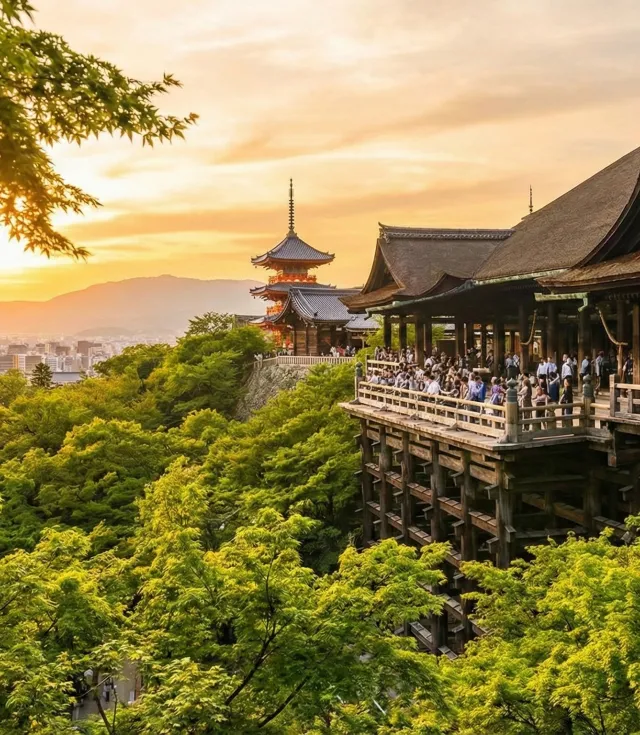
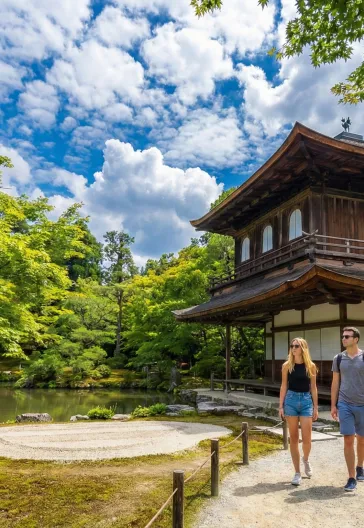
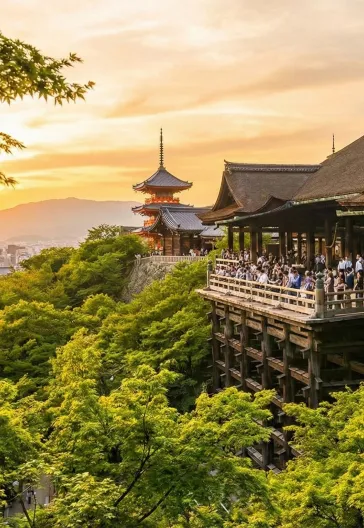
Our first stop is another UNESCO World Heritage site, Kiyomizu Dera, Japan’s oldest Buddhist temple, built in 790 on the slopes of Mount Ottowa. Famous for its terrace, the temple offers an impressive view of Kyoto, which we admire and photograph. Next, we stop by the local wishing boxes and teahouses before heading to the Arashiyama area, where we begin our walk through the bamboo forest. Arashiyama is renowned for its temples, monkey park, and a lake you can visit during the summer months. The bamboo forest, which starts right next to the Tenryu-ji Temple, will be one of the most memorable parts of our tour. The tall trees and birdsong accompanying us, we then visit the Zen gardens of Ryoan-ji. After leaving here, we go to the Philosopher’s Path, a road lined with hundreds of cherry trees named after the famous Japanese philosopher Nishida Kitaro, who walked here for meditation. Our walk, which starts in the Nanzenji neighborhood, ends at Ginkakuji Temple (the Silver Pavilion). Along the way, there are numerous restaurants, cafes, and temples. After a brief visit to Hohen-in Temple, we reach Ginkakuji Temple, which was completed in 1490. After photographing the temple’s beautiful garden, we return to the hotel to collect our belongings and set out for Tokyo by bullet train. We cover the roughly 475-kilometer distance in two and a half hours, enjoying views of Mount Fuji along the way. Upon arrival in Tokyo, we check into our hotel.
After breakfast in the morning, we head to Toyosu Fish Market, the world's largest market for fish and seafood. (If you wish, we can also do this on other days in Tokyo.) Because of this, it's best not to have a heavy breakfast at the hotel, or not to eat at all. Perhaps we'll have a sushi breakfast instead. At this market, we'll enjoy delicious tastings and learn how important fish and the seafood industry are in Tokyo. We'll encounter fresh catches, gigantic fish, and the exciting tuna auctions. If we have time, you can also take part in mini sushi workshops, learn the subtleties from preparation to presentation, and taste your own creations.
After the fish market tour, we take our day essentials with us and set off by bus towards Mount Fuji. After arriving at Kawaguchiko, we move to the lakeside and take short walks there. You can enjoy the view of Mount Fuji from Yagizaki Park, the large bridge across the lake, and many other spots. After touring around the lake, we check into our hotel. In the evening, we'll once again admire Mount Fuji from our hotel.
After breakfast, we leave Kawaguchiko and head back to Tokyo. Then, we begin to explore Tokyo, one of the world’s most populous cities, using public transportation.
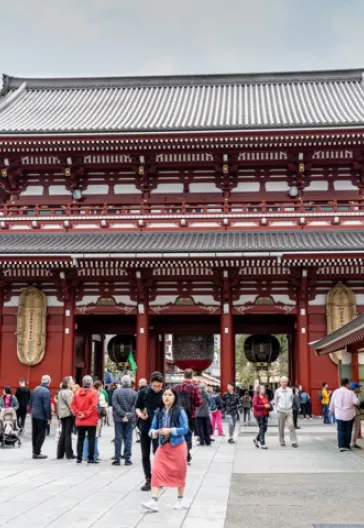
First, we visit Senso-ji Temple, one of Tokyo’s oldest temples, which was built in 645. After leaving the temple, we begin to explore the Asakusa District. Asakusa is one of the city’s oldest neighborhoods and preserves the atmosphere of old Tokyo with its traditional handicraft shops and street food stalls on Nakamise Street. Of course, we will also taste some of the local flavors here.
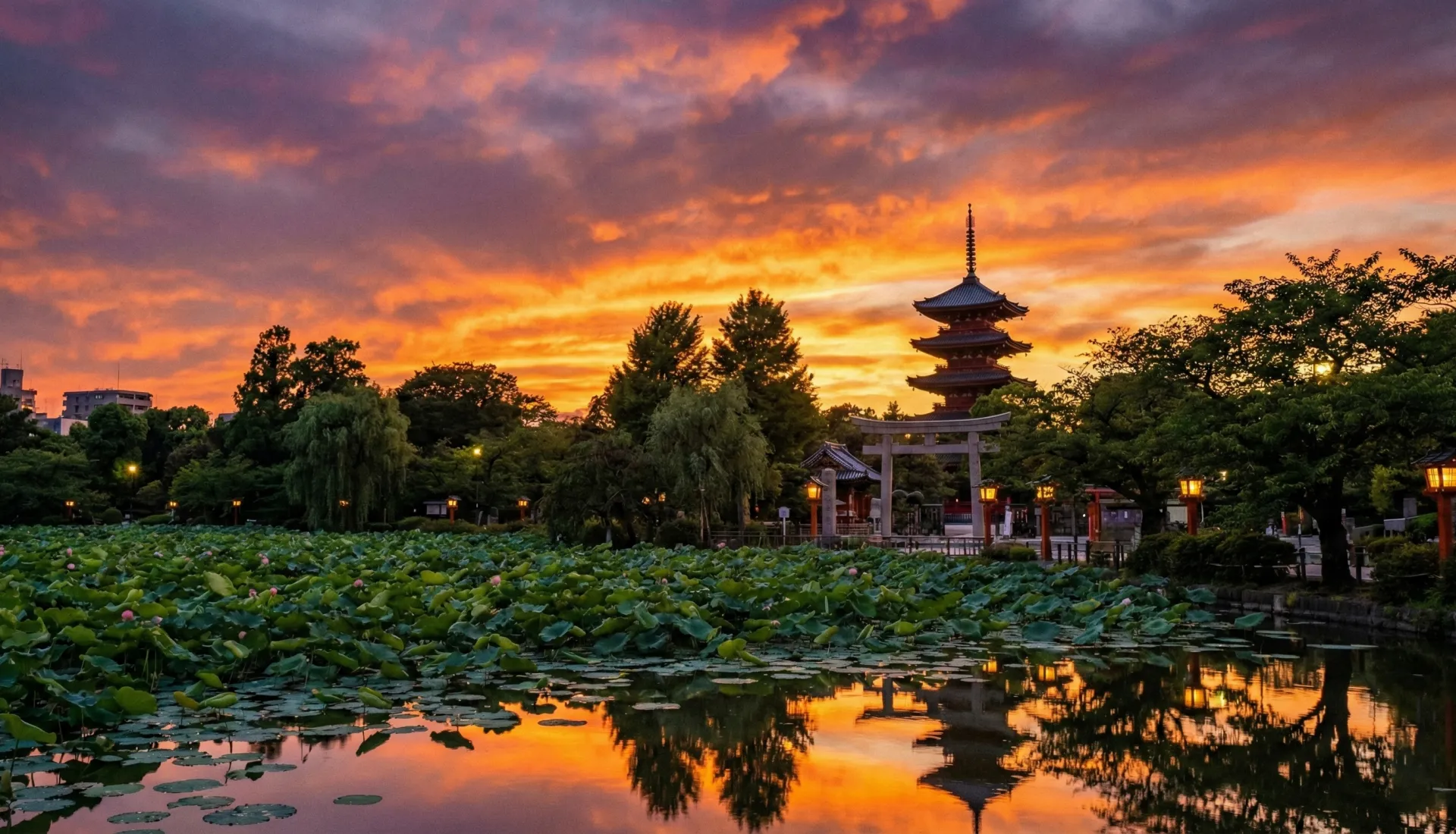
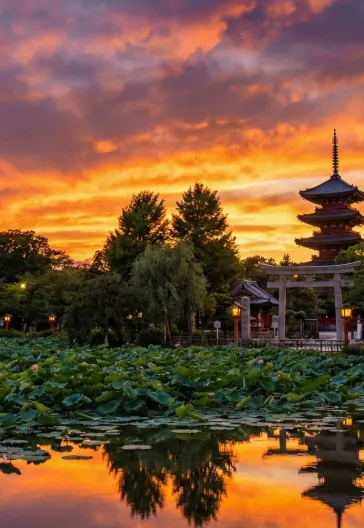
Next, we stop by Hanayashiki Amusement Park, which was completed in 1853, and then head to Ueno Park, established in 1873, which is home to many temples. There, we visit Shinobazu Pond and then Kaneiji Temple, Tokyo’s largest temple. The Ueno Zoo in the park is Japan’s first zoo. After finishing our visit to Ueno Park, we go to the Akihabara district. This area is famous for its diverse retail electronics stores, ranging from small stalls to large shopping centers, and is a very crowded shopping area. We visit Radio Kaikan, one of the landmark buildings of Akihabara, where video games, souvenirs, toys, and collectibles are sold. Around here, staff in maid costumes may serve tea or dessert. After touring Akihabara, we return to the Ginza district near our hotel. Ginza is Tokyo’s most famous luxury shopping, dining, and entertainment area, home to numerous shops, boutiques, art galleries, restaurants, nightclubs, and cafés. As one of the city’s most popular shopping locations, Ginza is full of luxury boutiques as well as top-class cocktail and sushi bars—ideal options for dinner. After eating, you will have free time. You can spend time in the Ginza district or in Kabukicho.
After breakfast, we begin the second part of our Tokyo tour. First, we reach the Imperial Palace—formerly known as Edo-jō (Edo Castle)—by walking through the Kokyogaien National Gardens, located in the heart of Tokyo and now the residence of the Emperor of Japan since the capital was moved to Tokyo. We view the palace from the outside, surrounded by water-filled moats, and then head to Tokyo Tower, the world's tallest steel tower, completed in 1958.
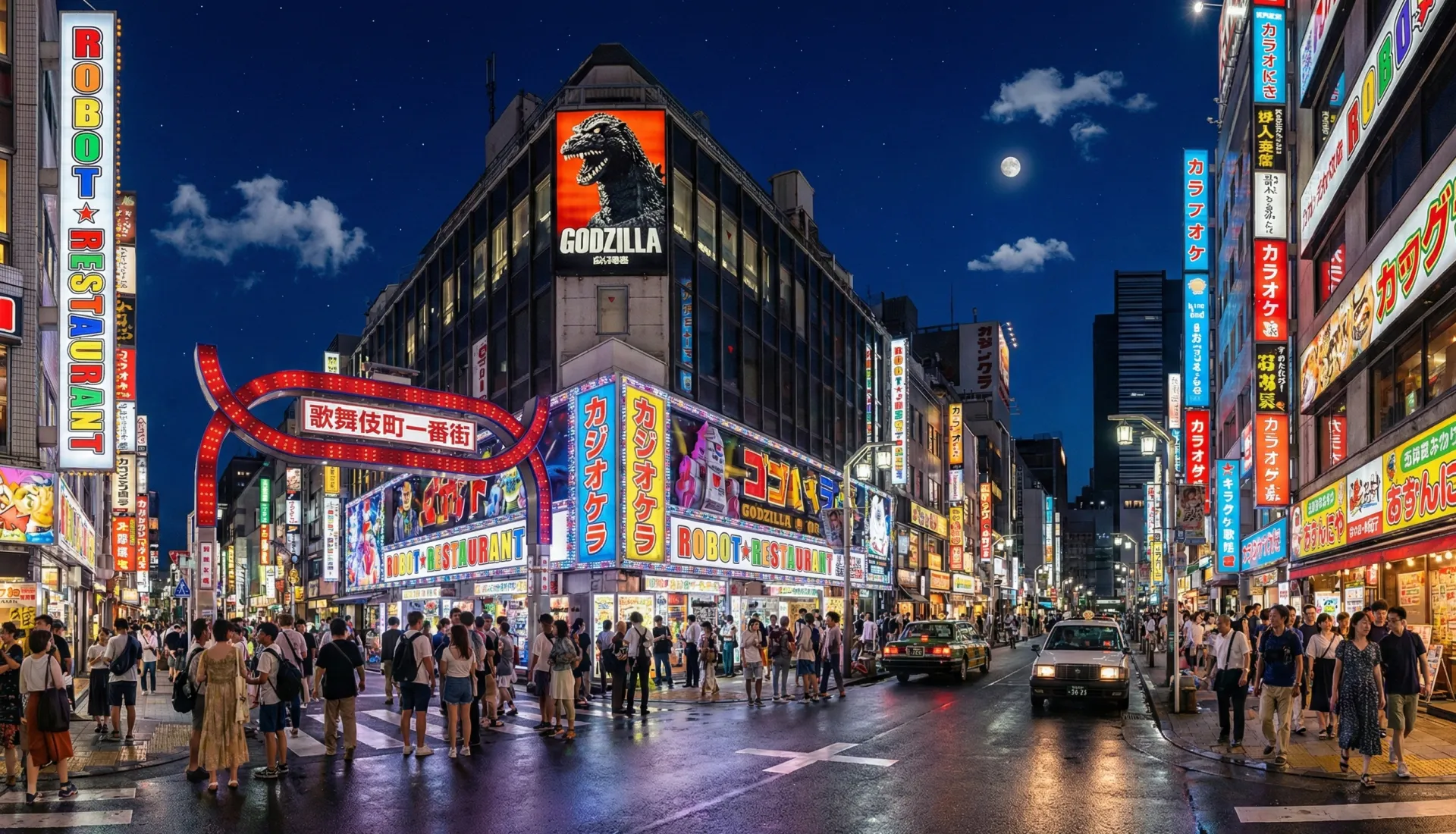
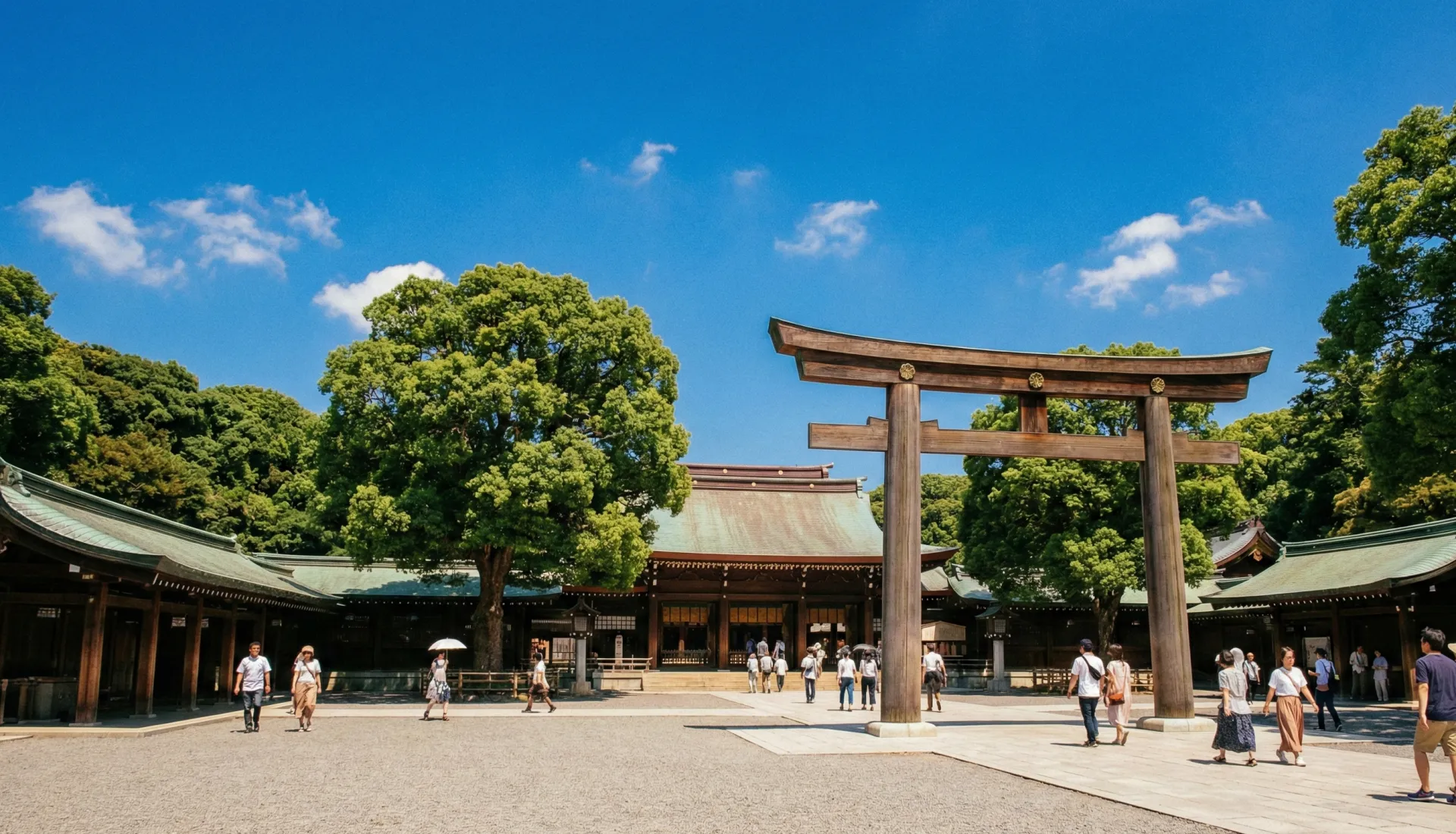
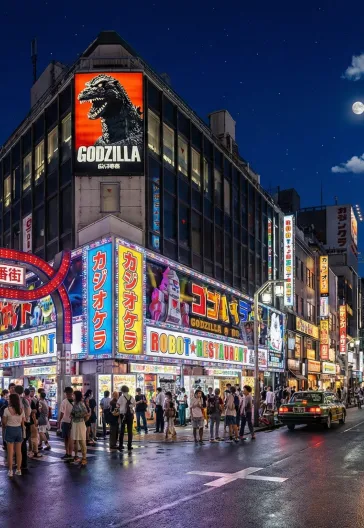
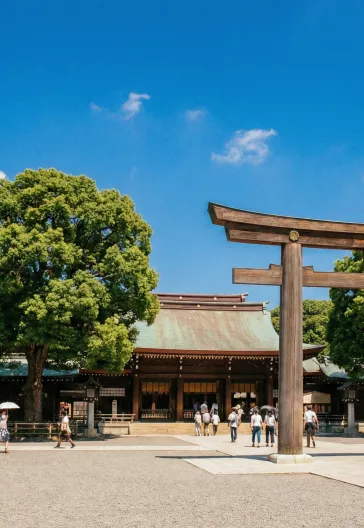
After leaving the tower, we visit Yoyogi Park, Tokyo's largest area of lawns, ponds, and woodland. Here, we'll explore Meiji Shrine—a temple dedicated to Emperor Meiji, Japan's 123rd emperor, and his wife—discovering the traditional side of the Japanese capital. The shrine and park are also a great escape from the city's bustle and perfect for strolling along spacious walkways. After the park, we move on to the Harajuku district, renowned as the center of Japanese youth culture and fashion. There are dozens of shopping and dining options here, including local boutiques, restaurants, and international luxury stores. Leaving Harajuku, we head to Shinjuku Station, the busiest train station in the world. We'll first explore the western part of the area, known for its skyscrapers, luxury offices, residences, and hotels. Our visit here will be brief before we cross to the eastern side. :) This area, also known as Kabukicho or the Sleepless City, is famous for its stores, shopping malls, electronics shops, and especially for its entertainment venues, bars, nightclubs, and a district reminiscent of Amsterdam's Red Light District. After spending free time here until late at night, we return to our hotel.
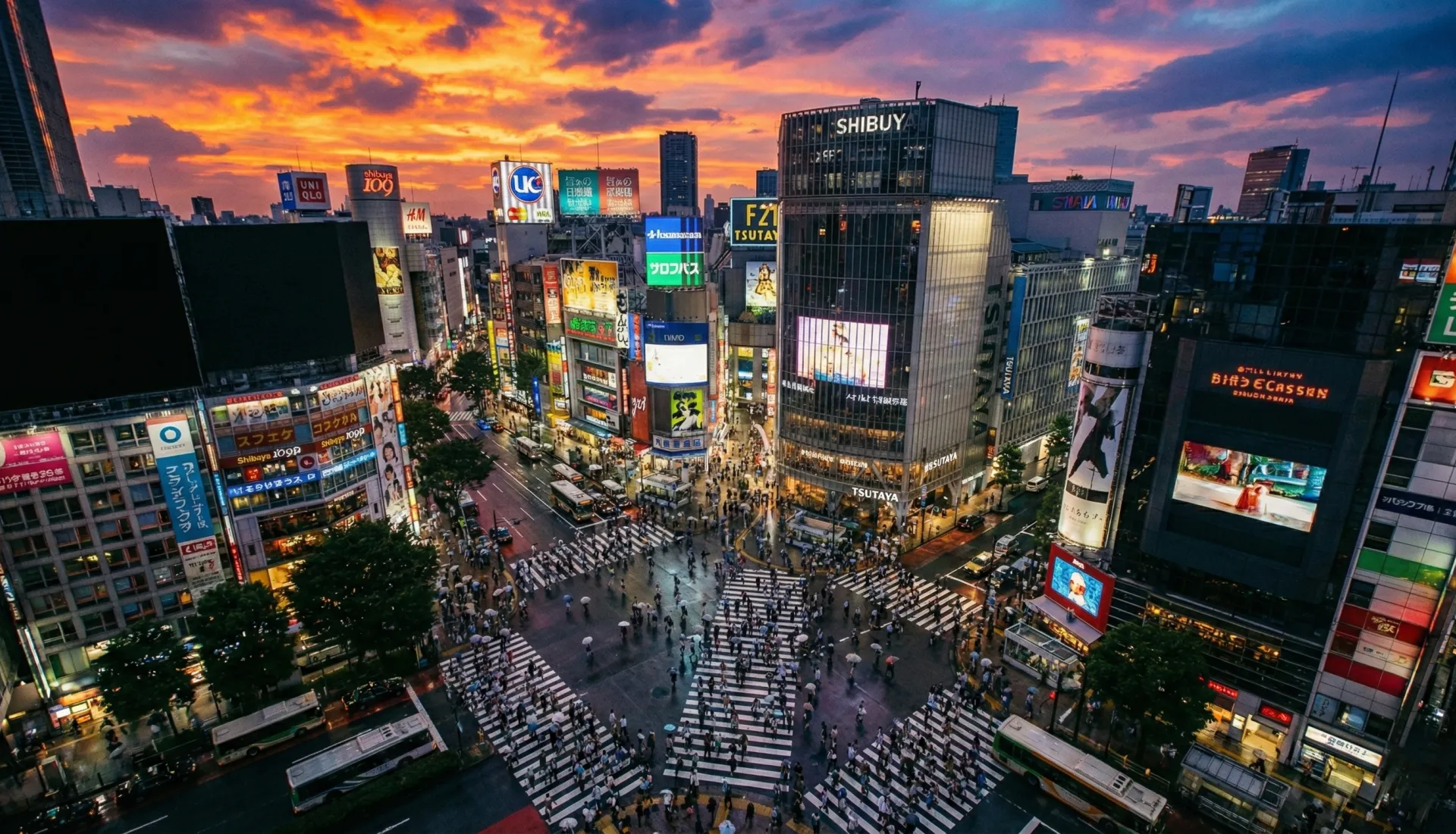
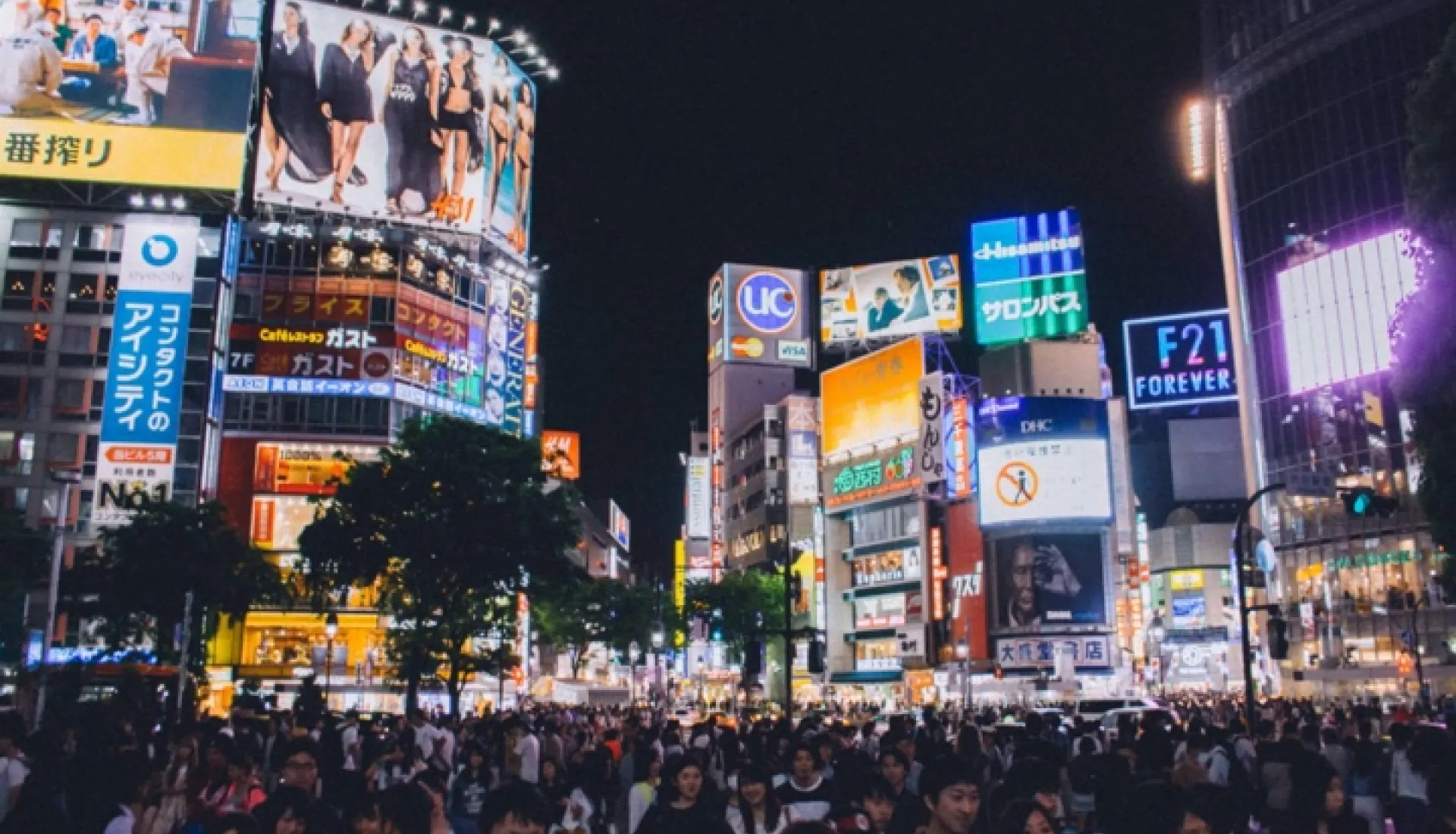
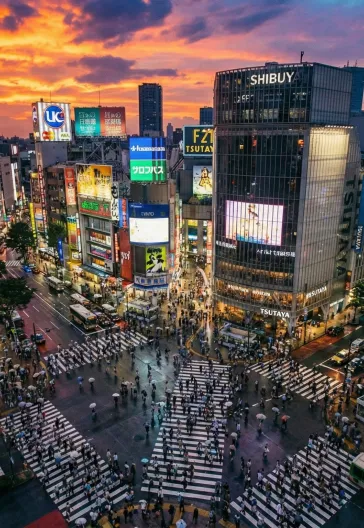
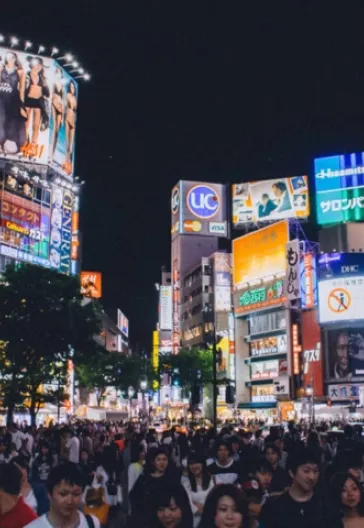
After breakfast in the morning, we leave our belongings at the storage again and head to Shibuya. We go to the famous Shibuya Scramble Crossing traffic lights to take our final videos and photos for social media, then give you free time for shopping. After the free time, we return to our hotel, collect our belongings, and set out for Tokyo Haneda Airport. We return to Istanbul on Turkish Airlines' TK199 flight departing at 22:05, and hope to see you on another BUKLATUR trip.
Katar Hava Yolları'nın 01:25 kalkışlı QR813 nolu uçuşuyla Doha'ya gidiyoruz. Yerel saatle 06:40'ta Doha'ya varıyoruz. Ardından 65 dakikalık aktarma sonrası Katar Hava Yolları'nın 07:45 kalkışlı QR239 nolu uçuşuyla İstanbul'a dönüyoruz. Türkiye saatiyle 12:20'de İstanbul Havalimanı'na iniyoruz ve birbaşka BUKLATUR gezisinde buluşmak üzere vedalaşıyoruz.
►Tour end time and place: ~19:00 Tokyo Haneda Airport
►Base flight: Tokyo Haneda Airport - Istanbul Airport Departure: 22:05
Airport transfer is done according to the base flight. Guests with flights before or after the base flight can request early or late transfers for a fee.
Other information
- Flight tickets Istanbul-Osaka / Tokyo-Istanbul
- Professional guiding service
- 8 nights accommodation
- 8 breakfasts
- 9-day Shinkansen Train and other transportation tickets
- All airport transfers
- All intermediate transfers
- All tours
- VAT
Flight Tickets
Our tours are sold without flight tickets. Please do not buy flight tickets before the tour is confirmed or we have not confirmed it. If you want to buy flight tickets in advance, please buy them from the refundable and changeable class. We remind you that all responsibility for flight tickets belongs to you.
Single Difference
The difference you need to pay when you want to stay alone in the hotel room. This difference is not requested by Bukla Tour, but by the hotels, and generally the full cost of the second person's accommodation. All single room requests are adjusted according to the availability of the hotels, but are not guaranteed.
Special Tours
Other names are Closed Groups. These are tours prepared according to your requests and requests, or tours prepared by changing existing tours. We can prepare tours for you according to the number of people you want, at the date you want, at the place you want, and only for you.
Cash Installment
This is a payment method where the cash price of the tour is divided into 3 fixed installments. In this method, your information is taken with the mail order form, and when the day comes, you are expected to make the installment by bank transfer. If you do not pay the installment, the payment is made by adding the overdue fee to your credit card.
Bukla Güvencesi
Bukla, 26 yıllık tecrübesiyle Türkiye’nin en güvenilir butik tur operatörlerinden biridir. Bukla, tüm turlarını bölge uzmanı rehberlerle, güvenli rota planlamasıyla ve kurumsal operasyon standardıyla yürütür, konaklanacak otelleri özenle seçer. Küçük gruplar, yüksek kalite standartları, güvenli rota planlaması ve operasyonel uzmanlık Bukla’nın öncelikleridir. 26 yıllık deneyim, binlerce başarılı tur ve misafir memnuniyeti Bukla’nın temel güvencesidir.